Color Hunting: The 2026 Photography Trend That Will Actually Make You a Better Shooter

Elli Kim Content
Thursday, April 23, 2026
Most viral photography trends ask very little of you. Pick a preset, find the right location, repeat. Color hunting is different, and that's exactly why it's worth your time.
The premise is simple: before you pick up your camera, you pick a color. Then you go out and build every frame around it. One color, one session, total compositional intent. It sounds like a constraint, and it is — but the right kind.
Here's why it's resonating in 2026, and how to do it well.
In this article:
What Is Color Hunting in Photography?
Why It Makes You a Better Photographer
How to Practice Color Hunting
What to Shoot For: Building a Coherent Series
When You Get Back: Culling a Color Hunting Session
What Is Color Hunting in Photography?
Color hunting is a shooting practice where you choose a single color in advance and use it as the anchor for every composition you make during a session. Not a filter. Not an edit. A deliberate decision made before you raise the camera.
The subject can be anything: a stranger in a red coat, a painted door, a streak of neon on wet pavement. What ties the images together isn't the subject. It's the color.
It spread largely through Instagram and TikTok, where photographers began sharing single-color series: grids of deep terracotta, electric blue, or dusty sage, each image a different scene unified by one hue. The appeal was immediate. The images look cohesive without looking staged. But what's less obvious from the feed is the discipline behind them. These aren't filtered to match. They were found.
That distinction matters. Color hunting sits at the intersection of street photography, color theory, and intentional composition. It's not a post-processing style. It's a way of seeing.

Photo By Sarah Aviva
・・・
Why It Makes You a Better Photographer
Most photography trends reward the edit. Color hunting rewards the eye.
When you assign yourself a color before leaving the house, something shifts in how you read a scene. You stop scanning for interesting subjects and start reading the visual environment differently: noticing where your color appears, how it's lit, what surrounds it, whether it carries the weight to anchor a frame.
That's composition training. Unlike rules-based approaches like the rule of thirds or leading lines, it's intuitive. You're not applying a grid. You're learning to feel when a frame is working.
There's also something useful in what color hunting teaches you not to do. A strong color doesn't rescue a weak composition. If your only reason to press the shutter is that the right color appeared in the frame, you'll feel it in the final image. The color has to serve the story, not substitute for one.
A useful test: mentally remove the color and ask whether the image still works. If it does, the color was decoration. If it doesn't, you've built something real.
This is why color hunting holds up on review in a way most trends don't. The images either work completely — color, light, subject, and composition pulling together — or they show you exactly what wasn't there. That's honest feedback, and it's the fastest way to improve.

Photo by Kaique Rocha
・・・
How to Practice Color Hunting
Step 1: Pick your color before you leave
Choose before you see anything. If you wait until you're out and spot something interesting, you're doing regular street photography with a color rationale applied afterward.
Committing in advance is what forces intentional seeing. It also makes sessions feel focused rather than aimless. You're hunting, not wandering.
Some photographers work seasonally: warm ochres in autumn, cold blues in winter. Others pick a color that challenges them, something they'd normally edit out rather than build toward. Both approaches work.
Step 2: Choose the right environment
Color hunting rewards environments where color appears deliberately: urban streets, markets, industrial districts, travel destinations. Man-made environments tend to carry more saturated, consistent color than natural ones. Painted walls, signage, vehicles, clothing.
Natural environments work well for softer, analogous palettes. A forest floor in late autumn, a coastal town at golden hour. The difference is control: in nature, your color is more likely to shift with the light. Factor that in when you're deciding where to go.
Step 3: Look for color in context, not just color in frame
This is where most color hunting images fall apart. The target color appears in the frame but it's incidental, competing with other visual elements and reading as background noise rather than compositional anchor.
What you're looking for is color with purpose. Ask: is this color doing something in the frame? Is it creating contrast with the background? Pulling the eye toward the subject? Reinforcing the mood of the scene?
Step 4: Use background and contrast intentionally
Color reads differently depending on what surrounds it. A deep red subject against a neutral grey wall hits differently than the same red against a competing warm background. Learning to see the relationship between your subject color and its environment is what separates a color hunting image from a snapshot of something colorful.
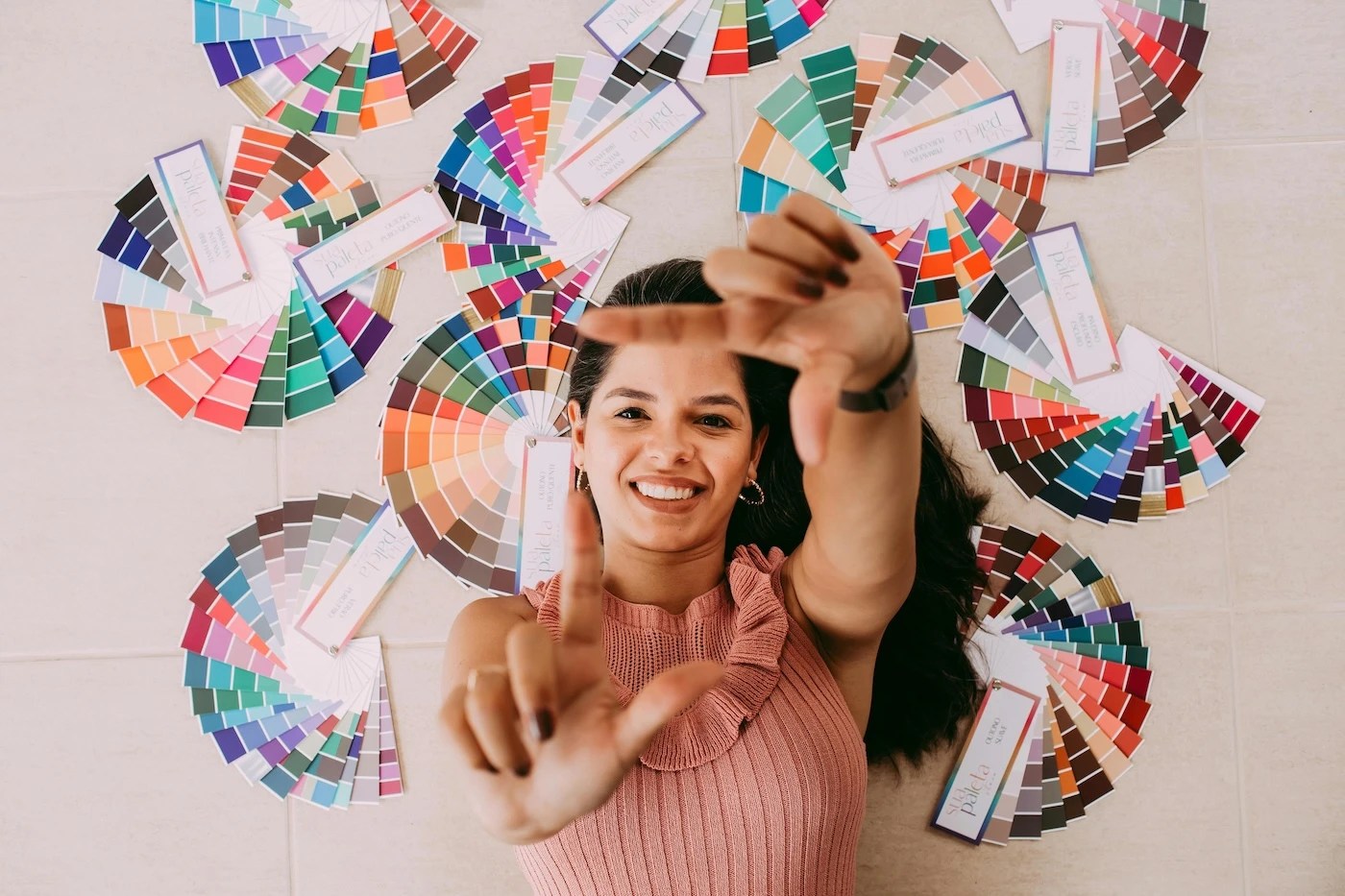
Complementary color pairs — red against green, blue against orange, yellow against violet — create visual tension and grab attention. Analogous pairings, colors adjacent on the color wheel, feel harmonious and calm. Neither is better; they serve different moods.
You don't need to memorize a color wheel. The more you shoot with a single color in mind, the more naturally you'll start reading these relationships in the field.
Step 5: Shoot variations. Don't stop at the first find.
The first frame is rarely the best one. When you find a strong color, work the scene. Change your angle, your distance, your focal length. Look for a tighter version and a wider one. Wait for a person to walk through. See if the light changes in five minutes.
Color hunting rewards patience. The constraint means you don't need to constantly move on. You've found your subject. Now make the best image of it you can.

Photo by Tania Juárez
・・・
What to Shoot For: Building a Coherent Series
A single color hunting session can produce a genuine body of work, not just individual images but a series that reads together.
Two distinct approaches are worth trying:
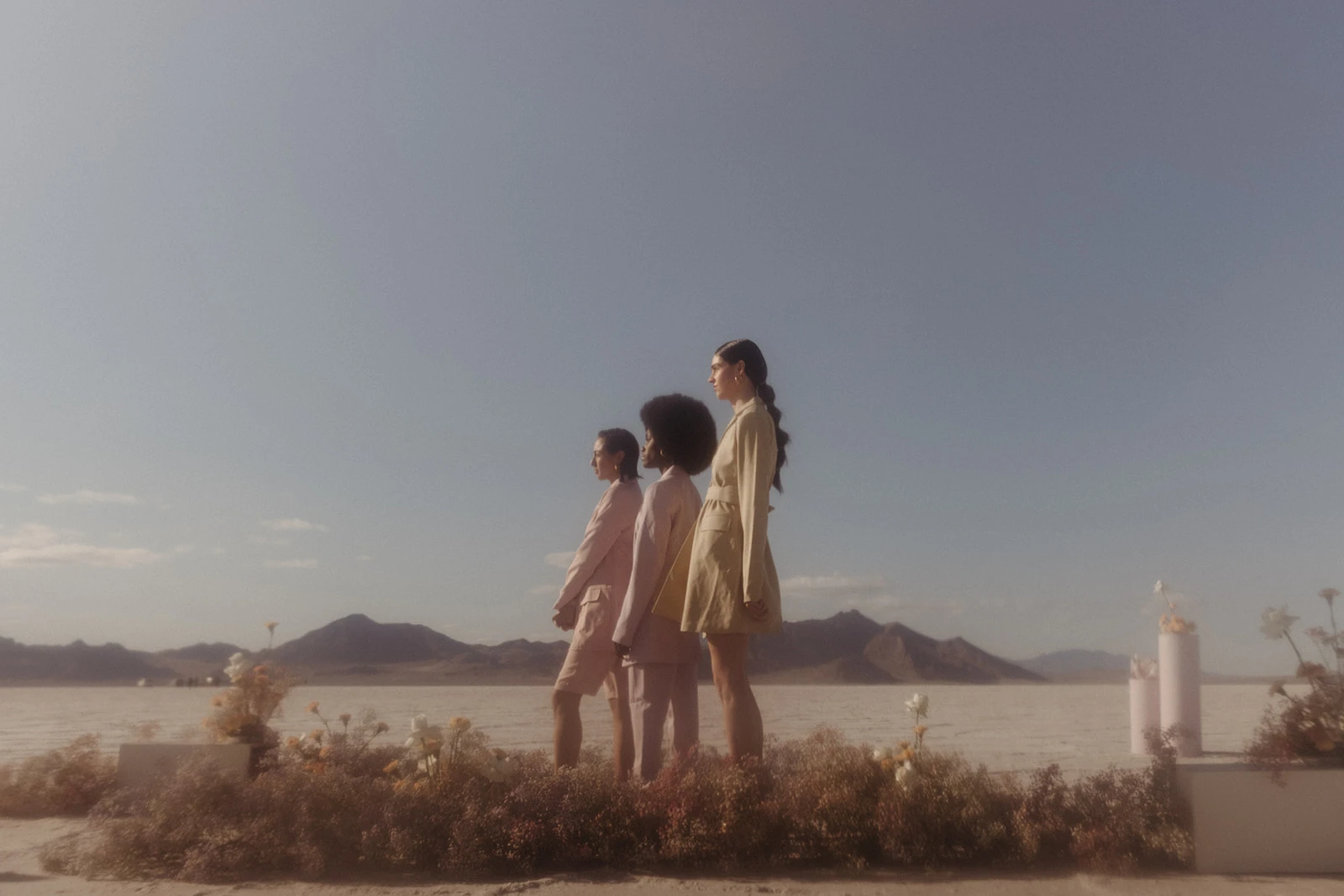
Monochromatic: Every element in the frame is a variation of your target color. Harder to find and harder to execute, but the images feel immersive and complete. Think: a rust-red alley where even the shadows carry warmth.
Color contrast: Your target color reads against a neutral or opposing background. Cleaner to execute and often more graphic: a single pop of color against white, grey, or black. This approach suits street photography well, where your color arrives unpredictably — a person walking through a scene, a vehicle passing.
Shooting both within the same session gives you range. When you're reviewing, you'll start to see which approach your eye reaches for more naturally, and that's worth knowing.

Photo by Rose Groves
・・・
When You Get Back: Culling a Color Hunting Session
Color hunting produces leaner shoots than a wedding or event, but the culling challenge is specific.
You're not only evaluating focus and exposure. You're asking whether the color reads the way you intended: does it anchor the frame or get lost in it? Does the composition hold up on its own? Across similar frames, which variation captures the right relationship between color, light, and subject?
These are distinctions that are hard to make at thumbnail scale. Narrative's AI-assisted culling helps you move through a session quickly, surfacing technical quality so you can focus on the harder creative decisions. Give it a try with free trial at narrative.so.
・・・
The Point Is the Practice
Color hunting isn't a project to complete once and post. It's a discipline that sharpens over time.
The photographers who get the most from it fold it into their regular routine: pick a color before a travel day, a city walk, a spare afternoon between shoots. Not every session produces portfolio work. Most produce something more valuable: a sharper eye and a more honest read of what you're actually seeing through the lens.
Pick your color. Go find it. See what the frame does with it.
💜 If you're looking for a reason to start, Narrative is currently running a People in Pastel photo competition (ends April 30) — a great excuse to put your color hunting practice to the test. Enter or check out all submissions here.
Cover Photo by Helena Lopes
Content