Soft Light Photography: How to Create Flattering, Professional Images Every Time

Taylor Nixon Photographer Relationship Manager, Narrative
Tuesday, May 19, 2026
The quality of light in a photograph matters more than almost anything else. You can shoot on the best camera in the world, nail your composition, and still end up with an image that feels flat because the light isn’t working for you.
Here’s the thing: soft light is the foundation of most great portrait, wedding, and family photography. It’s the light that makes skin look natural, emotions feel authentic, and galleries look cohesive from frame to frame.
And if you’ve ever looked at another photographer’s work and thought “Why does their light feel so clean and polished?” — chances are they understand soft light better than most.
This guide breaks down exactly what soft light is, how to spot it instantly, and how to create it deliberately in any shooting environment.
In this article:
What is soft light in photography?
What does soft light look like?
Soft light vs hard light
How to create soft light anywhere
Soft light techniques for portraits and weddings
Why soft light makes editing faster
Quick reference guide
What Is Soft Light in Photography?
Soft light happens when the light source is large relative to your subject.
The bigger the source appears, the softer the shadows become. Instead of harsh lines and deep contrast, you get smooth transitions, gentle falloff, and light that wraps naturally around your subject.
This is why photographers obsess over giant windows, overcast skies, and oversized softboxes.
It’s not just about the physical size of the light source either — distance matters just as much.
A massive softbox placed far away can behave like a hard light. Bring that same modifier close to your subject, and suddenly the light becomes beautifully soft and flattering.
That’s also why cloudy days are basically nature’s softbox. The clouds diffuse sunlight across the entire sky, turning it into one enormous light source.
For portrait photographers especially, soft light is usually the difference between:
flattering skin vs harsh texture
emotional depth vs flat snapshots
polished galleries vs inconsistent edits
What Does Soft Light Look Like?

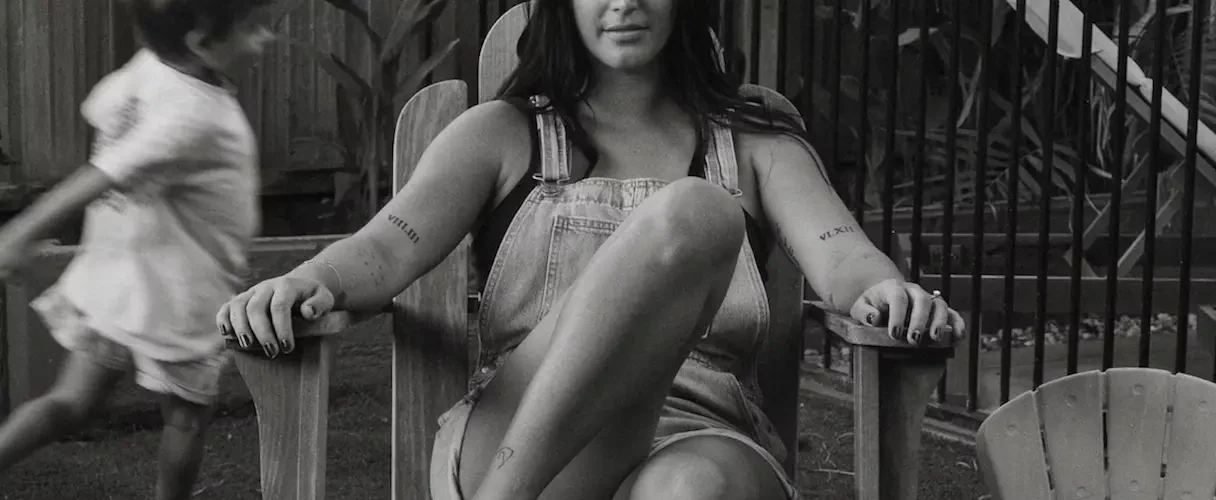
Image credit: @sachtikus
One of the fastest ways to improve your lighting is learning how to see soft light before you even raise the camera.
Here are the most common real-world examples.
Overcast Sky
Let’s be real: overcast weather is a cheat code for photographers.
Cloud cover diffuses sunlight evenly across the scene, reducing contrast and softening shadows almost entirely.
The result:
smoother skin tones
easier exposures
cleaner highlights
less retouching later
For weddings and family sessions, cloudy days often produce the most consistent galleries.
North-Facing Window Light
Window light is still one of the best portrait setups in photography.
A large window without direct sun creates soft directional light that feels natural while still giving shape to the face.
Move your subject closer to the window and the light becomes:
brighter
softer
more wrapping
This is why so many lifestyle photographers build entire shoots around one good window.
Open Shade
Open shade is your best friend on sunny days.
Think:
beside a building
under a covered walkway
beneath tree cover
inside a garage with the door open
You’re blocking direct sunlight while still using the ambient sky as the source.
The truth is, moving a client five feet into open shade often matters more than changing camera settings.

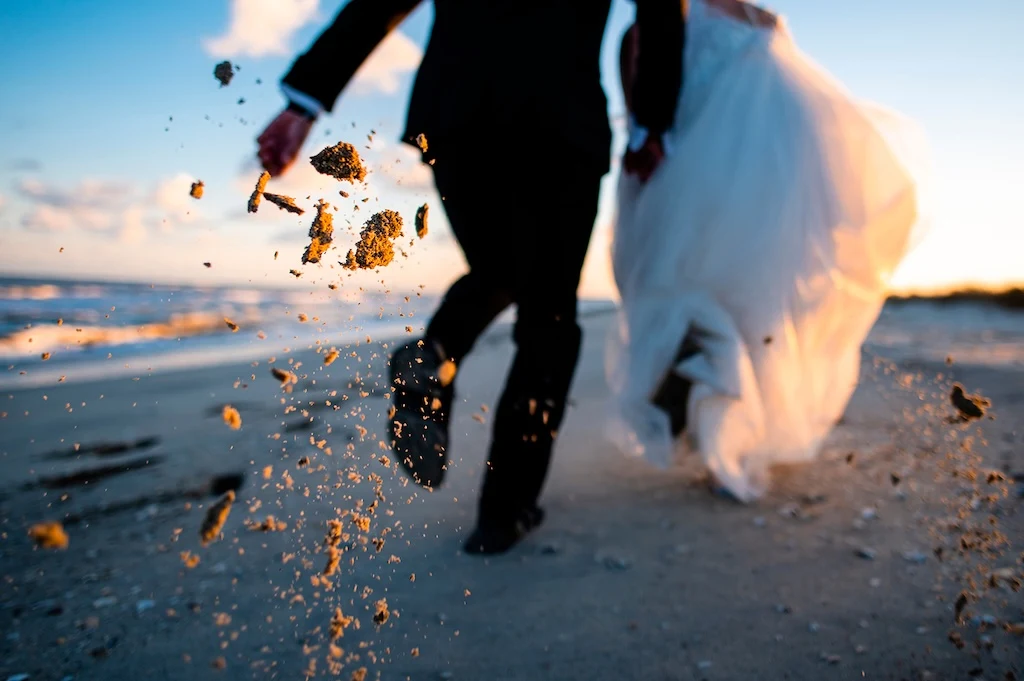
Image credit: @adrianscinteifotograf
Golden Hour
Golden hour light is softer because the sun sits lower in the sky and travels through more atmosphere.
You still get direction and shape, but with:
lower contrast
warmer tones
smoother transitions
It’s not as soft as an overcast sky, but it’s dramatically more forgiving than midday sun.
Large Softbox Close to Subject
Studio photographers use giant modifiers for a reason.
A large softbox close to your subject mimics beautiful window light:
gradual shadows
soft skin rendering
natural contrast
The closer the modifier, the softer the result.
Simple as that.
Bounced Flash
Direct on-camera flash looks harsh because the light source is tiny.
Bounce that same flash into a white ceiling or wall, and suddenly the surface becomes the light source instead.
That’s how event photographers create soft indoor lighting without carrying massive gear setups.
Diffusion Panels and Umbrellas
Both work by increasing the apparent size of the source.
Shoot-through umbrellas, scrims, and diffusion panels are staples because they:
soften highlights
reduce harsh shadows
create smoother skin tones
make outdoor lighting controllable
Especially for weddings and location work, portability matters.
Soft Light vs Hard Light

Image credit: @ranjith.studios
Soft light isn’t automatically “better” than hard light.
It just tells a different story.
Use Soft Light When You Want:
flattering portraits
romantic wedding imagery
natural skin tones
emotional connection
gentle, approachable mood
This is why portrait and family photographers lean heavily toward soft light.
It’s forgiving and timeless.
Use Hard Light When You Want:
drama
texture
intensity
grit
bold editorial contrast
Athletic portraits, fashion campaigns, and cinematic editorial work often benefit from harder light because the shadows add edge and structure.
The key question is:
What should this image feel like?
If the answer is intimacy, softness usually wins.
If the answer is power or tension, hard light earns its place.
How to Create Soft Light Anywhere

Image credit: @JoezyDanellePhotography
1. Use the Environment First
Stop fighting the light and start positioning for it.
On cloudy days:
almost anywhere works
On sunny days:
move into open shade
use buildings as blockers
turn subjects toward the sky
Indoors:
place subjects near large windows
avoid direct sunlight streaking across faces
Good photographers don’t just find light — they shape it with positioning.
2. Make the Source Bigger
The fastest way to soften light:
increase the apparent size of the source.
That means:
larger softboxes
umbrellas
scrims
bounced flash
diffusion panels
A giant source close to the subject creates the softest possible light.
3. Bounce Your Flash
Wedding photographers do this constantly for receptions.
Instead of firing flash directly at people:
bounce it off ceilings
bounce it off walls
use neutral surfaces
Instantly softer. Instantly more natural.
Just watch for coloured walls and ceilings — they’ll shift your white balance fast.
4. Use DIY Diffusion
Forget expensive gear for a second.
A white shower curtain, translucent fabric, or foam board can soften light surprisingly well.
Especially for run-and-gun sessions, simple diffusion tools often outperform complicated setups.
Soft Light for Portraits and Weddings

Image credit: @katierussellphotoandfilm
Solo Portraits
Bring your light source close and slightly above eye level.
Then feather it slightly so the edge of the modifier lights the face instead of the centre hotspot.
This creates:
smoother transitions
cleaner skin
more dimensional shaping
Couples
The challenge is keeping both faces evenly lit.
The easiest fix:
keep both subjects on the same light plane
avoid stacking one behind the other
use larger modifiers
Soft light has gentler falloff, which helps maintain consistency across both subjects.
Weddings
Wedding photographers live and die by consistency.
Overcast days are ideal.
On sunny days:
prioritize open shade
use diffusion whenever possible
bounce flash indoors
The goal isn’t just one good image — it’s a cohesive gallery.
Newborns and Families
Window light dominates this genre for a reason.
Position subjects beside large windows with soft side light and minimal contrast.
Keep exposures slightly brighter than you think necessary. Bright, airy imagery tends to match client expectations far better than heavy contrast.
Why Soft Light Makes Editing Faster

Image credit: @inthefirephoto
Here’s the part photographers don’t talk about enough:
Soft light dramatically improves workflow efficiency.
Lower contrast and smoother tonal transitions mean:
more consistent exposures
easier batch editing
cleaner skin tones
less highlight recovery
less shadow correction
And that consistency matters even more when you’re editing hundreds or thousands of images.
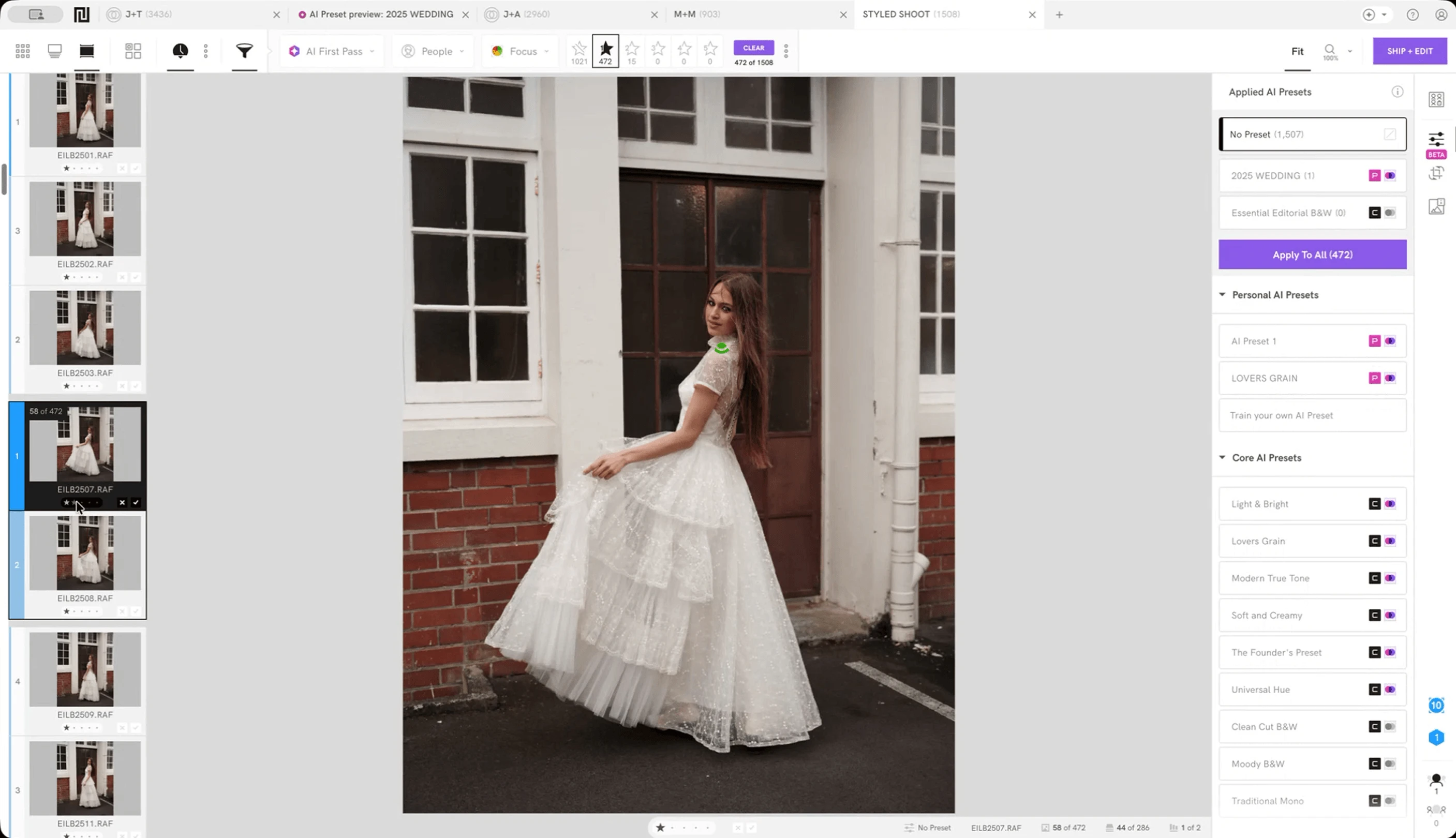
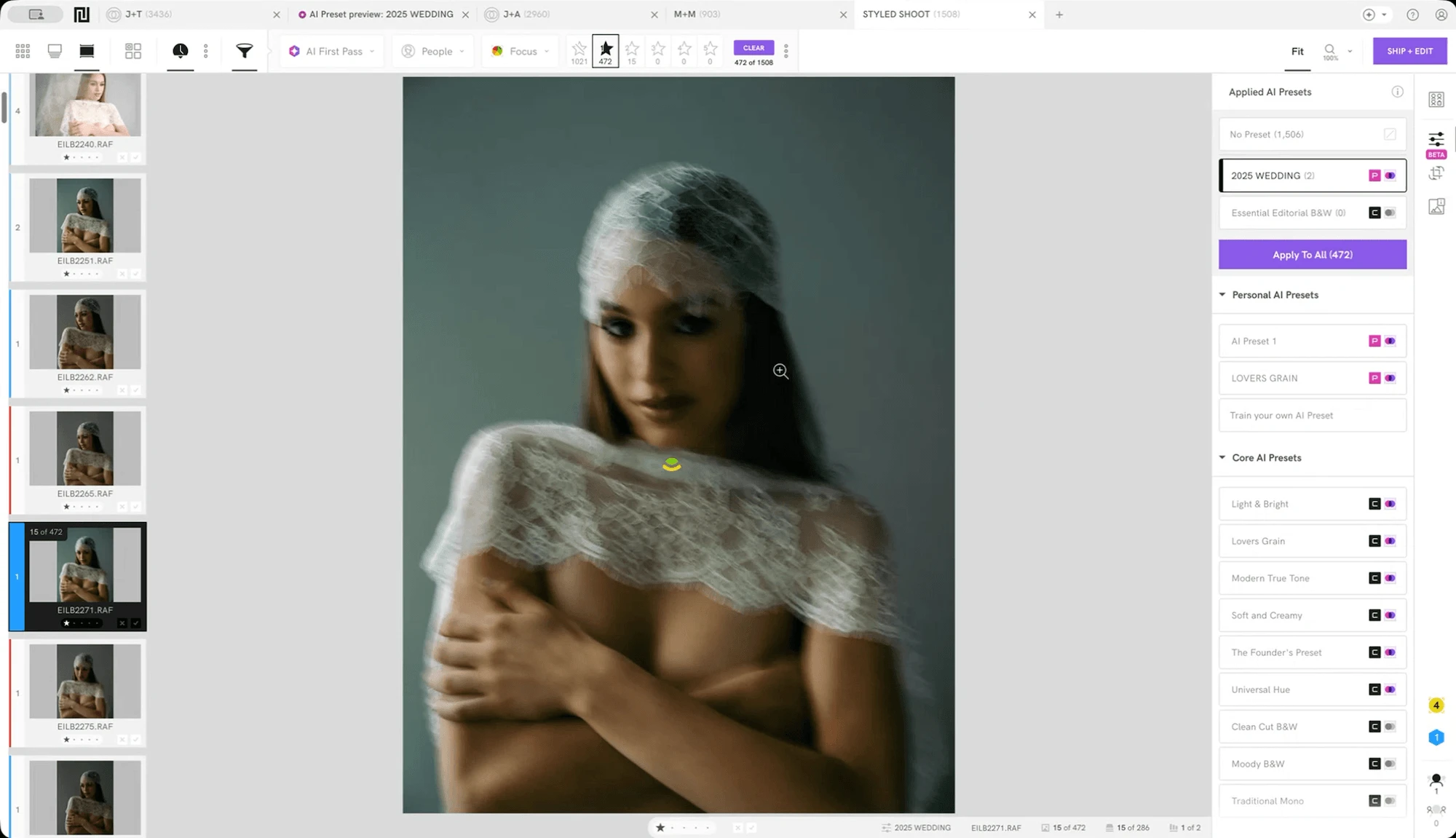
This is exactly where AI-assisted workflows become valuable.
When your lighting is consistent, AI editing tools can produce remarkably accurate results because the tonal range stays predictable across the set.
That’s one reason photographers using Narrative often see the biggest speed gains with well-lit portrait and wedding galleries. Consistent soft light makes AI culling and editing dramatically more reliable — which means less time fixing inconsistencies manually.
Minutes, not hours.
Quick Reference Guide
Soft Light Trait | Description |
What creates it | Large or diffused light source |
Shadow quality | Soft, feathered transitions |
Contrast | Lower contrast |
Mood | Romantic, flattering, natural |
Natural examples | Overcast sky, open shade, window light |
Artificial examples | Softbox, bounced flash, umbrella |
Best for | Portraits, weddings, families, newborns |
Watch out for | Images becoming too flat without directional shadow |
Soft light isn’t about making every image look the same. It’s about creating intentional, flattering light that supports the emotion of the frame.
Master this, and your portraits instantly feel more polished — before you even touch the edit.
And once you’ve nailed the lighting, the next bottleneck is workflow.
Try Narrative free and cull a full portrait session in minutes instead of losing another night to thousands of nearly identical frames.
Photographer Relationship Manager, Narrative