AI in Photography: I'd Be Worried If They Didn't Call It Cheating
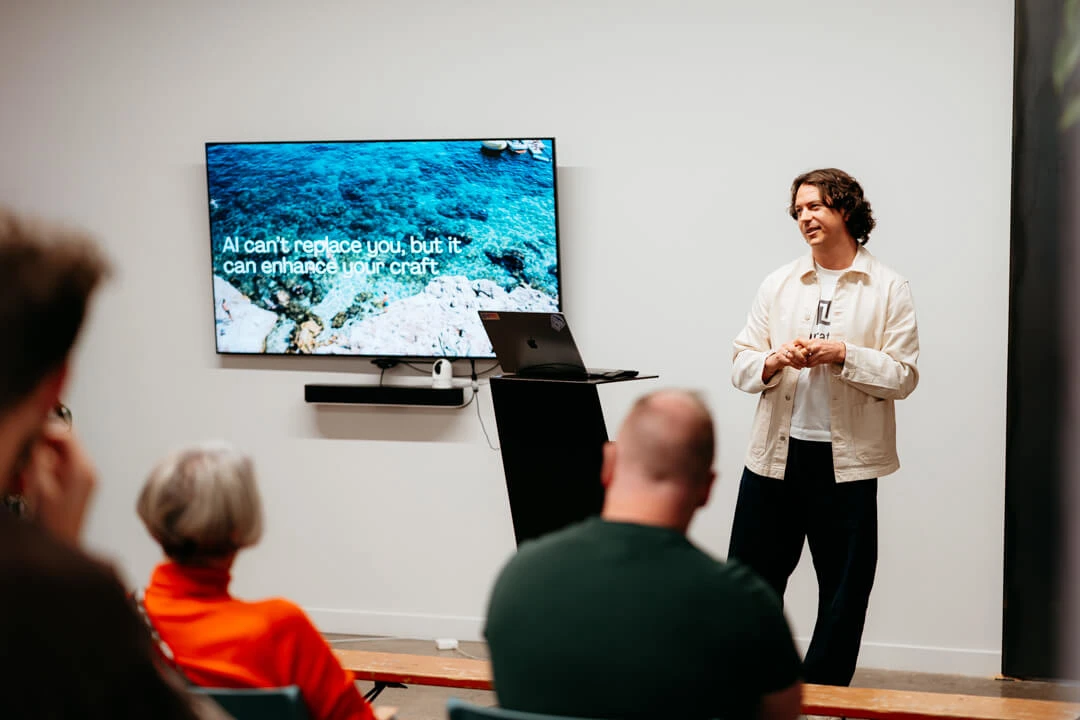
James Broadbent CEO and Founder, Narrative
Monday, August 17, 2026
When autofocus arrived, photographers called it cheating. When digital replaced film, that was cheating too. Lightroom presets, cheating. Nobody calls these things cheating anymore. Why? Because we've all quietly agreed it's just helping us do the thing we were already trying to do.
And now, using AI in photography is cheating. It's a statement I've heard more times than I can count. At workshops, at conferences, in comment sections under YouTube tutorials. I get why it comes up. Photography is a craft people take seriously, and anything that feels like a shortcut triggers a defensive reflex.
But here's what a lot of photographers who are anti-AI don't want to hear: you've been using AI for years. Every time you half-press that shutter and your camera locks focus, that's AI. Modern facial recognition autofocus doesn't work without it.
The problem with the debate around AI and photography is that we treat AI as a single thing, when really it's a dozen different things with very different implications. If you want to hate AI, it's not hard to find an argument. For photographers, there are genuine threats — to their craft, to their livelihoods. But a tool that generates a corporate headshot for you is doing something categorically different from a tool that tells you which face in a burst of forty frames is sharpest. They are not the same argument.
For me, there's a better question to ask than whether AI is cheating. It's whether it's getting you where you wanted to go.
If you're using AI and arriving somewhere you didn't intend, producing work that isn't you, making decisions you wouldn't actually make, then something has gone wrong. The tool has overreached, and the work is weaker for it. But if you're using AI to get to the same place you were always headed, just faster? You haven't compromised anything. You've just removed the friction.
And for professional photographers, that friction is real. Most photographers don't quit because they stop loving photography. They quit because the parts they don't love eventually outweigh the parts they do. That's where I was heading.
I was driving the back roads of the Faroe Islands after a shoot, mentally tallying the post-production waiting for me when I got home. And I remember thinking this is the part of the job I didn't sign up for. I got into photography to tell stories. To be present with people on days that mattered, and make images that meant something. But for every day I spent behind a camera, I was spending four behind a screen. At 50 weddings a year, with hundreds of shoots behind me, it was wearing me down.
Post-production has never been anyone's idea of a good time. The glamour in photography has always been the shoot itself, and naturally that's where the industry focused its innovation. Every major development gave you the ability to shoot more, faster, with less light, and more accurately. Great for increasing your chances of getting the shot. But what became apparent was that no tool existed to help you find your best shots afterwards.
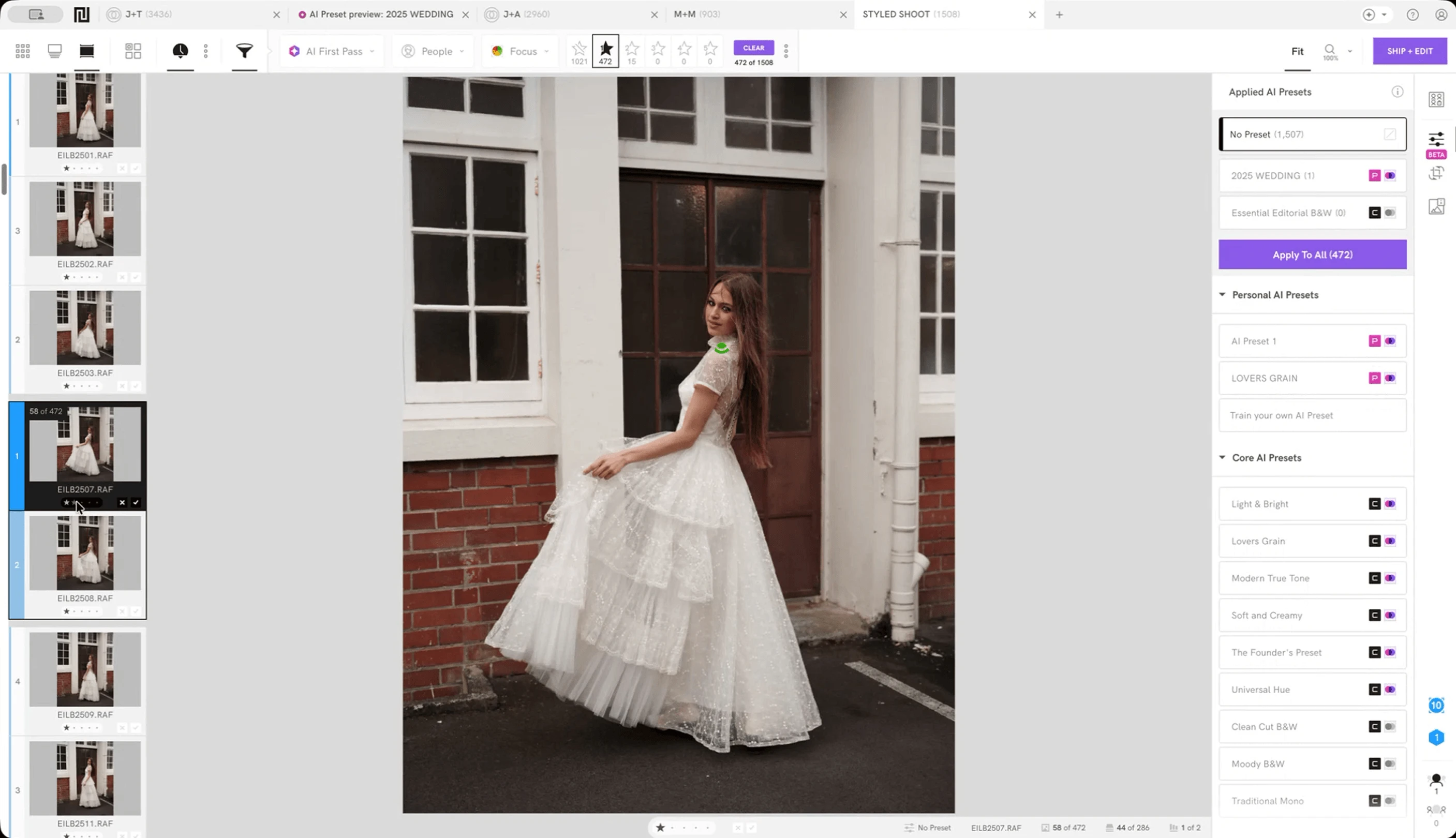
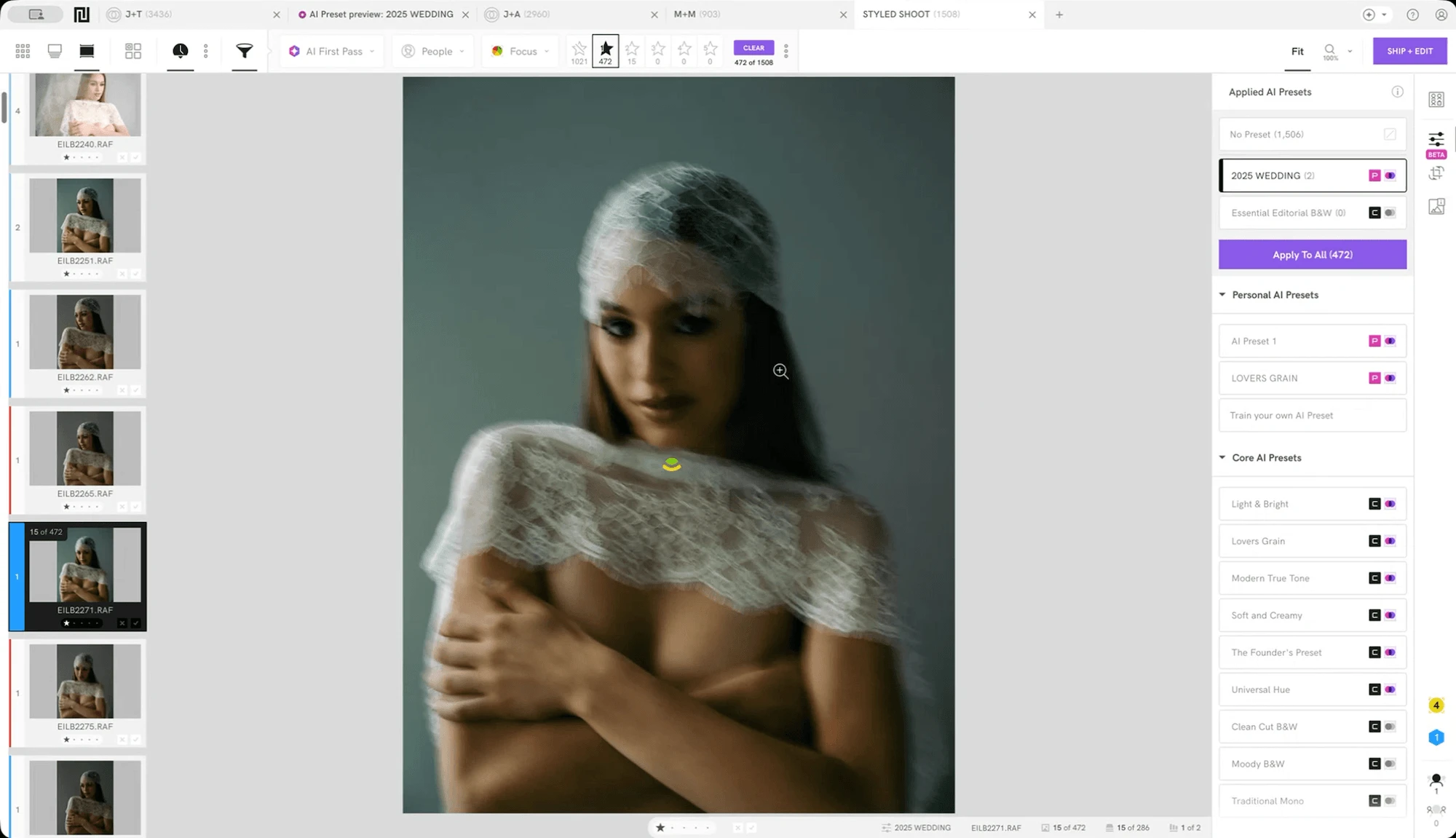
That's what I built Narrative for. A tool focused on the inevitable outcome of the modern photography workflow; which is no longer about hoping you caught the moment, but choosing which frame of that moment is the best. When I was a full time photographer, a full shoot would take me an entire day to cull. Photographers using Narrative now tell me they do it in 30 minutes.
What do photographers do with that time? Most of them tell me the same thing: they use it to get better. More time on the images that deserve attention. Less time finding them. More time shooting. More time experimenting. More time developing their skills and making themselves better photographers.
None of that sounds like cheating to me. It sounds like getting back to what made you want to pick up a camera in the first place.
But it's only possible if the AI is doing its job and not yours. Selecting the right image is just as important as taking it. AI culling shouldn't decide which images matter. You decide that. What it should do is give you a clearer picture of your shoot, faster. Which eyes are open, which expressions landed, which frames are worth a second look: sorted, ranked, and ready for you to make the call. The work is still yours. You just didn't waste a day getting there.
So if you're worried that you might be cheating by using AI, ask yourself one question: is this tool making decisions that belong to me? If yes, push back. If no, then why not let it do the repetitive labour you'd rather avoid anyway.
Creative energy is too valuable to waste on the mundane.
CEO and Founder, Narrative