How Much Do Photographers Make? Real Numbers by Niche and Experience

Elli Kim Content
Friday, June 26, 2026
Photography income varies more than almost any other creative profession. A part-time family photographer in rural Ohio and a full-time commercial photographer in Los Angeles are both "photographers." Averaging their incomes produces a number that describes neither of them accurately.
This article breaks it down by niche, experience level, employment type, and the business decisions that separate a $40,000 year from a $100,000 one.
In this article:
How Much Do Photographers Make on Average?
How Much Do Photographers Make by Specialty?
How Does Experience Level Affect Photographer Income?
Freelance vs. Employed: Which Photography Path Pays More?
How Does Location Affect Photographer Income?
What Drives the Gap Between $40k and $100k?
Can You Actually Make a Living as a Photographer?
How Workflow Efficiency Affects Photographer Income
Disclaimer: Income figures reflect reported industry averages and may vary significantly based on location, experience, and other market factors. All source data referenced in this article is based on U.S. figures. We recommend conducting your own comprehensive research for region-specific information.
How Much Do Photographers Make on Average?
The typical full-time professional photographer in the US earns between $45,000 and $85,000 per year.
The range is wide because income in photography depends heavily on specialisation, volume, location, and whether you're employed or running your own business.
The Bureau of Labor Statistics reports a median annual wage of $42,520 for all photographers; including part-time and early-career photographers.
Full-time freelance photographers across all niches average closer to $53,000 to $65,000 annually once part-timers are excluded.
Established wedding photographers in competitive markets routinely earn $70,000 to $100,000+.
Commercial and advertising photographers at senior levels can reach $120,000 or more (Salary.com).
How Much Do Photographers Make by Specialty?
Each specialty has its own income ceiling and typical trajectory.
How Much Do Wedding Photographers Make?
Wedding photographers are among the highest-earning photographers in the profession. The emotional and logistical stakes are high, one-time events command a premium, and clients genuinely cannot reshoot.
Experience level | Per-wedding rate | Annual income (20-30 weddings) |
Entry (0-2 years) | $1,000-$2,500 | $20,000-$50,000 |
Mid-level (3-6 years) | $3,000-$6,000 | $60,000-$120,000 |
Established (7+ years) | $6,000-$15,000+ | $90,000-$180,000+ |
Glassdoor places the average wedding photographer salary at around $75,000, with experienced professionals earning up to $128,000. ZipRecruiter shows a higher average of approximately $99,000, which likely skews toward established full-time professionals.
A realistic target for a full-time wedding photographer shooting 20-25 weddings per year in a mid-market city is $60,000 to $90,000 annually, before expenses.
How Much Do Portrait Photographers Make?
Portrait and family photographers typically earn less per session than wedding photographers, but consistent volume across 150-200 sessions per year can produce comparable annual income.
Entry level: $25,000-$40,000
Mid-level: $40,000-$65,000
Established: $65,000-$100,000+
Photographers running mini-session days, premium newborn packages, or senior portrait programs can reach six figures, but it requires treating the business model as seriously as the photography.
How Much Do Commercial Photographers Make?
Commercial photographers have the highest earning potential in the profession, but building the portfolio and client relationships that command commercial day rates takes years.
Mid-level: $70,000-$100,000
Senior: $100,000-$150,000+
Top-tier (major ad campaigns, licensing): $200,000+
Sources: PhotoWorkout, Backstage, Salary.com
Commercial work involves day rates, licensing fees, and usage rights stacked on top of each other. A single campaign shoot might bill $5,000-$15,000 once day rate, expenses, and licensing are included.
How Much Do Real Estate Photographers Make?
Real estate photography is one of the more accessible entry points to professional work. Rates per shoot are lower, but volume potential is higher and demand is relatively consistent.
Per property: $175-$2,000 depending on size and market
Annual income (full-time): $40,000-$75,000
It's rarely a path to six figures, but it provides steady work for photographers building their base while developing other specialties.
How Much Do Event Photographers Make?
Corporate events, galas, conferences, and sports round out the professional landscape. Rates range from $75-$300 per hour depending on experience and market.
Entry: $35,000-$55,000
Established: $60,000-$95,000
Sports editorial (with wire or editorial contracts): $65,000-$110,000
How Does Experience Level Affect Photographer Income?
Across all niches, experience is one of the most consistent predictors of income. Experienced photographers charge more, waste less time in post-production, and have referral pipelines that keep them consistently booked.
Stage | Typical annual income | What's happening |
Building a portfolio (0-1 year) | $15,000-$35,000 | Pricing low to attract clients; workflow is slow; post-production takes 2-3x longer than it will later |
Emerging professional (1-3 years) | $35,000-$60,000 | Consistent bookings, growing referrals, rates increasing |
Established (3-7 years) | $55,000-$90,000 | Niche clarity, strong referral base, efficient workflow |
Senior specialist (7+ years) | $80,000-$150,000+ | Reputation commands premium, selective volume, licensing income |
The income gap between a photographer three years in and one seven years in often has less to do with their photos and more to do with how they run the business: raising rates at the right time, operating efficiently, and controlling post-production time.
Freelance vs. Employed: Which Photography Path Pays More?
Most photographers work freelance or run their own businesses. Employed photographers, shooting for media companies, corporate communications, or government agencies, represent a smaller portion of the market.
Employed photographers tend to earn more predictably, with benefits, but typically earn less than high-performing freelancers in the same niche. Salary.com places the average employed photographer salary at around $59,133 per year.
Freelance photographers have no income floor but no ceiling either. The upside is that a well-run freelance photography business in a strong niche can out-earn almost any employed equivalent. The downside is that income is variable, benefits must be self-funded, and slow seasons hit hard without proper budgeting.
Most of the photographers earning $80,000-$150,000+ are running their own businesses, not collecting a salary. The trade-off is real: you gain income potential, but you take on the full weight of running the business.
How Does Location Affect Photographer Income?
Where you shoot significantly affects what you can charge, and therefore how much you earn at any given volume.
Market type | Wedding photographer income range |
Major metro (NYC, LA, SF, DC) | $80,000-$150,000+ |
Mid-size city (Austin, Denver, Nashville) | $55,000-$95,000 |
Small market / rural | $30,000-$55,000 |
Salary.com data shows that professional photographers in Washington D.C. average $99,246 per year, in California $98,869, and in Massachusetts $97,551, compared to significantly lower averages in the Midwest and South.
This doesn't mean a photographer in a smaller market can't earn well. It means their pricing ceiling is lower and volume becomes a more important lever.
What Drives the Gap Between $40k and $100k?
The salary data shows the range. Here's what actually determines where you land within it.
Niche clarity. Photographers who do everything tend to earn less than those who specialise. When you become the go-to photographer for a specific type of work, such as destination elopements, newborns, or brand campaigns, clients seek you out rather than compete on price with every photographer in your city.
Booking volume. Annual income is a function of rate multiplied by volume. A wedding photographer charging $3,500 needs to book 25 weddings to gross $87,500. One charging $6,000 only needs 15. Which path is sustainable depends on your market and your stage, but both can hit the same income target.
Post-production time. A 3,000-image wedding typically consumes 20-35 hours of post-production. At 25 weddings a year, that's up to 875 hours behind a screen. A photographer charging $4,000 and spending 35 hours on post earns $114/hr for that work; compress it to 15 hours through disciplined culling and that rate becomes $267/hr. Same income, half the time.
Rate discipline. Many photographers undercharge not because they lack confidence but because they've never calculated what they need to earn. Running a cost-of-doing-business calculation, total annual expenses plus target salary divided by annual shoot volume, produces a real minimum price per shoot that most photographers find is higher than what they're currently charging.
Referrals and repeat business. The most consistently high-earning photographers are not the ones spending the most on advertising. A strong referral network removes marketing spend from your cost base and increases the income you actually keep.
Can You Actually Make a Living as a Photographer?
The honest answer is yes, and not by accident. The photographers doing $80,000-$120,000 years didn't stumble into it. They picked a niche, got consistently good at it, built a referral network, priced their work correctly, and managed their time as carefully as any business owner would.
What separates photographers who make it full-time from those who stay perpetually part-time usually isn't talent. It's treating the business side, including pricing, workflow, client management, and post-production efficiency, with the same seriousness as the creative side.
How Workflow Efficiency Affects Photographer Income
One number that rarely appears in salary surveys: for most working photographers, post-production accounts for 60% or more of total professional time, more than shooting itself.
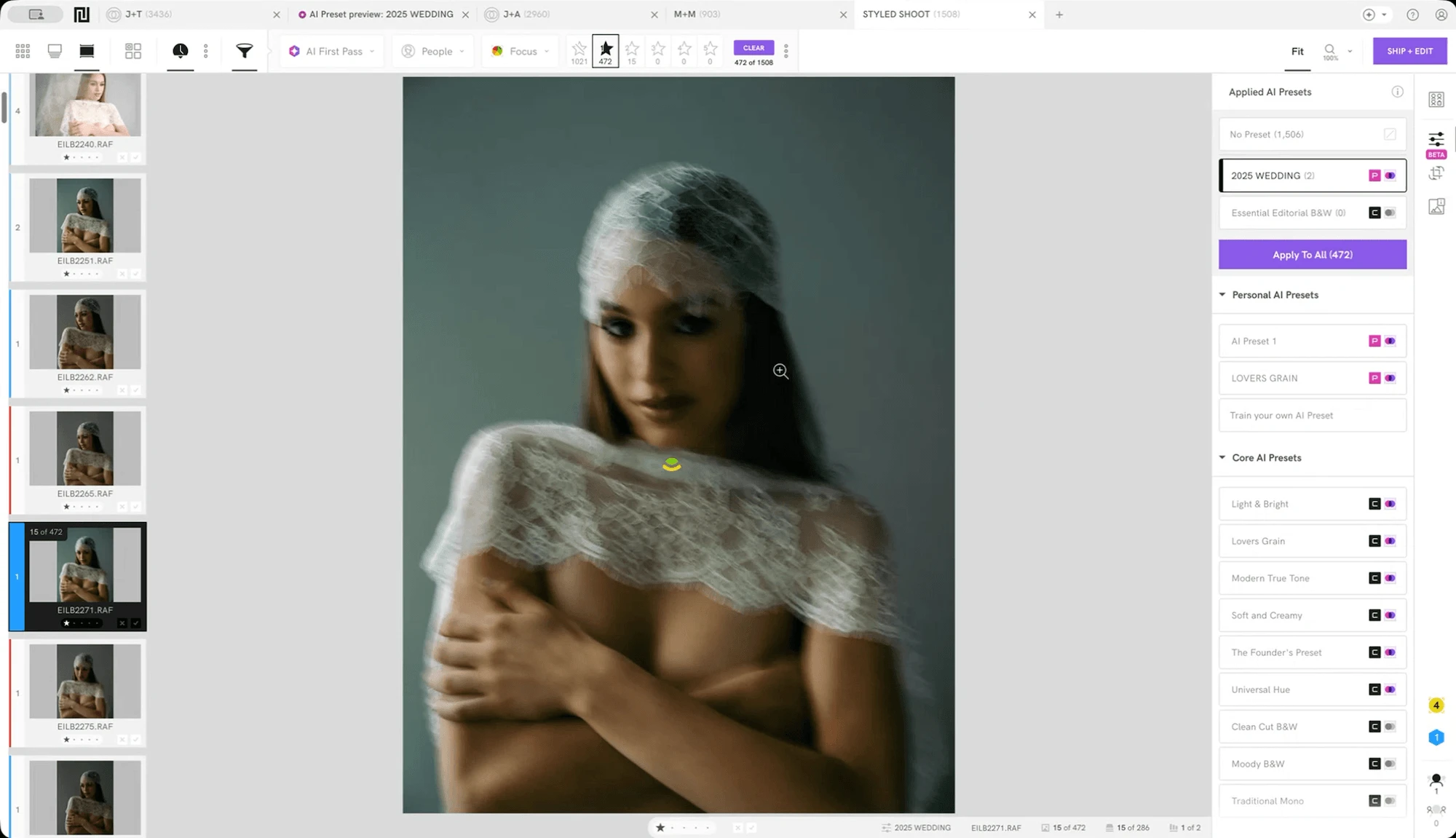
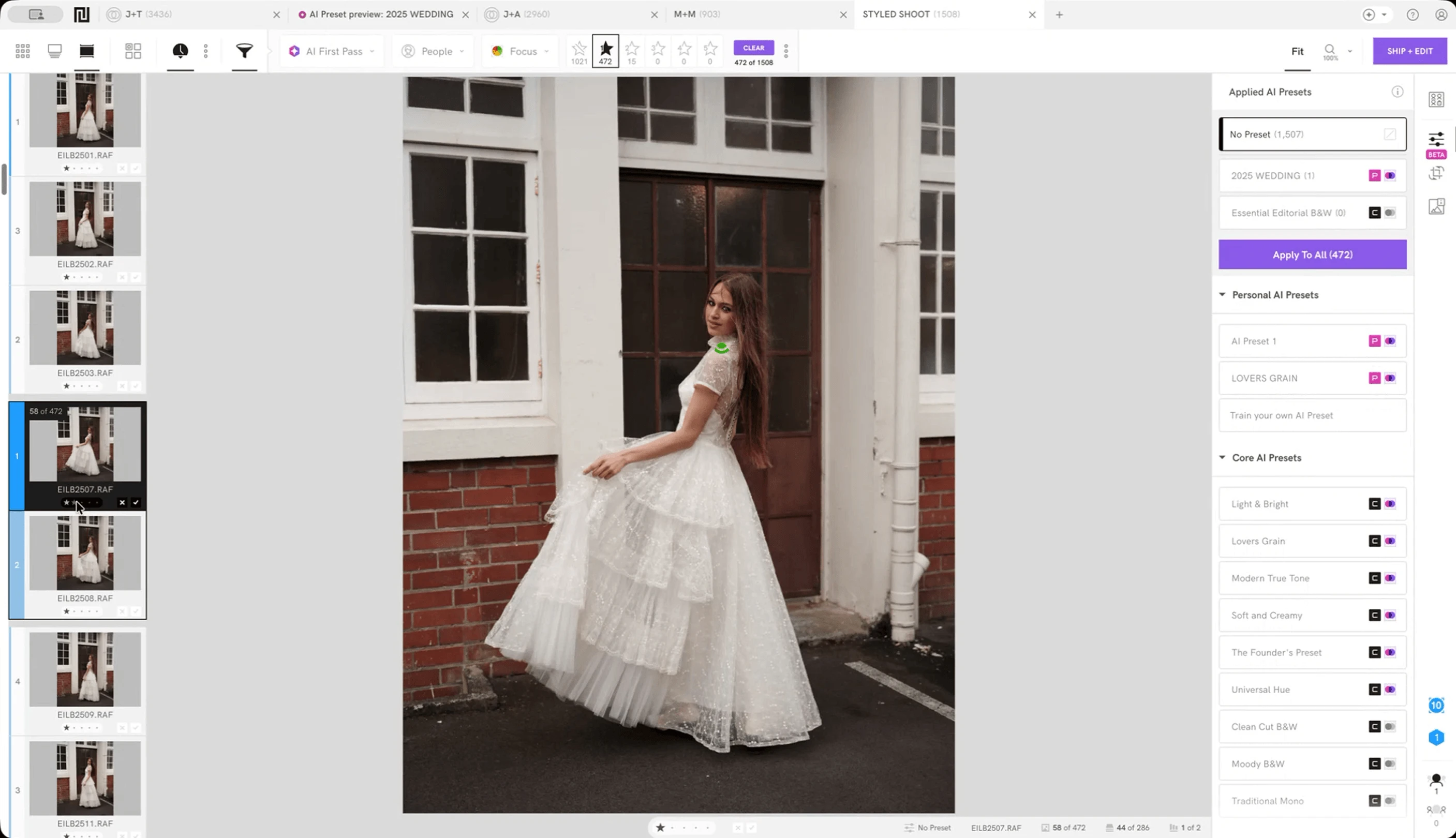
Time behind a screen is time not shooting, not marketing, and not building the referral network that drives income growth. Tools like Narrative, which uses AI to assess focus, sharpness, and expression across thousands of RAW files, can cut culling time for a 3,000-image wedding from 4-6 hours to under 2. At 20 weddings per year, that's 40-80 hours reclaimed, which can go toward more bookings, better client communication, or simply finishing work before midnight.
💜 Cut your culling time and take on more of the work you want. Try Narrative free today (no credit card required).
Cover Photo by Amar Preciado
Content