In Focus: The Pinckards on Double Exposures, Ten-Minute Portraits, and Culling From the Bottom Up
CREW The Narrative Newsletter
Monday, August 10, 2026
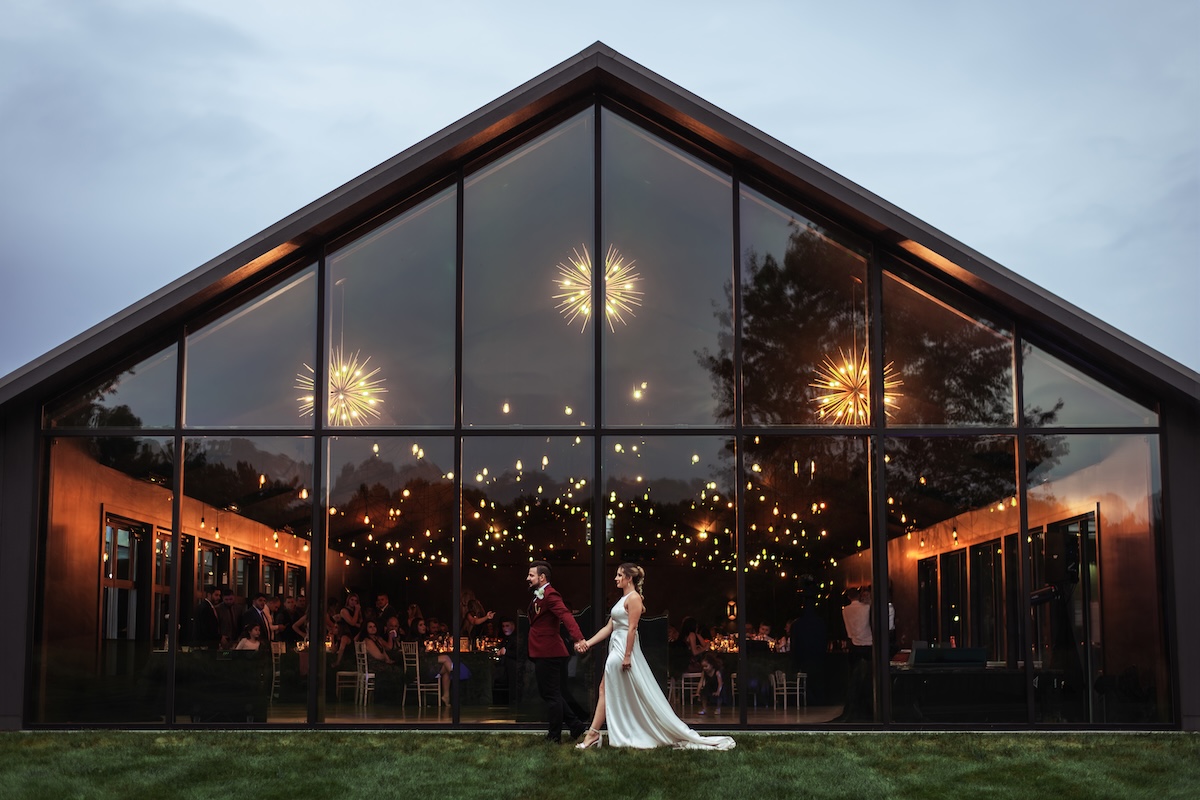
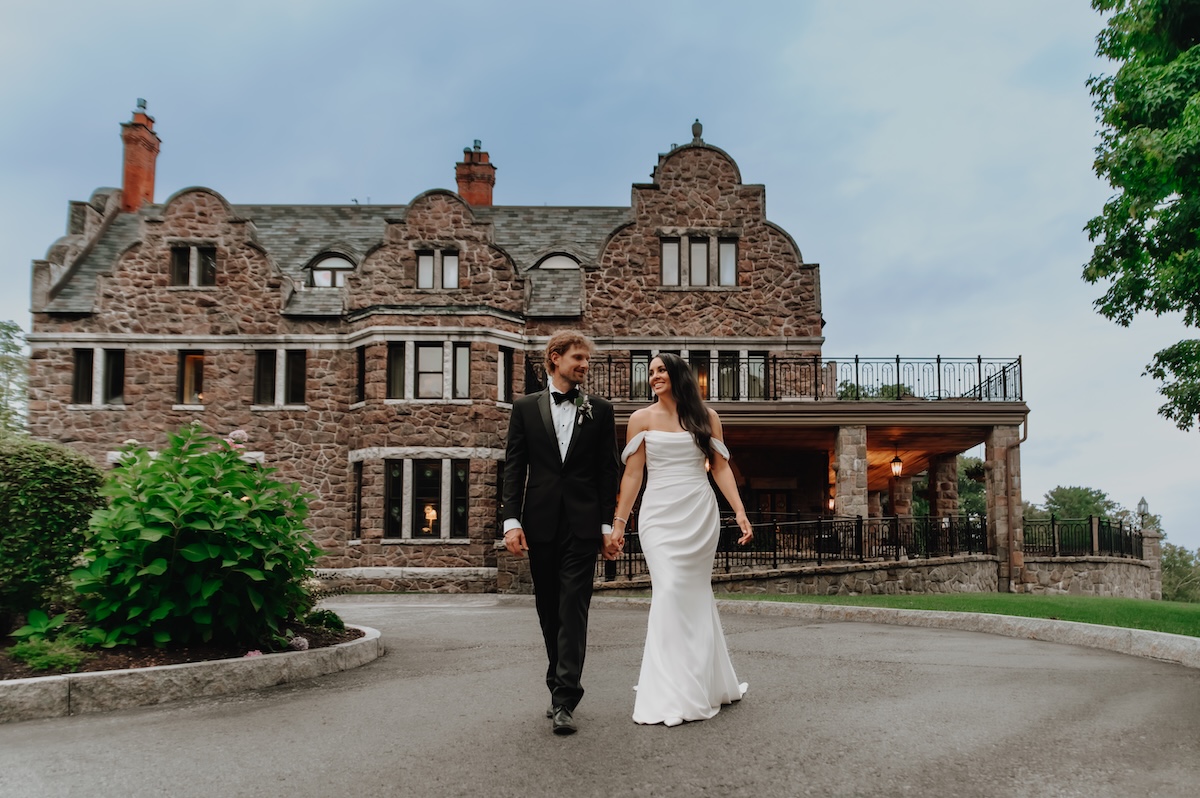
Dan and Laura Pinckard, the wedding and elopement photographers behind The Pinckards, are Narrative's newest partners.
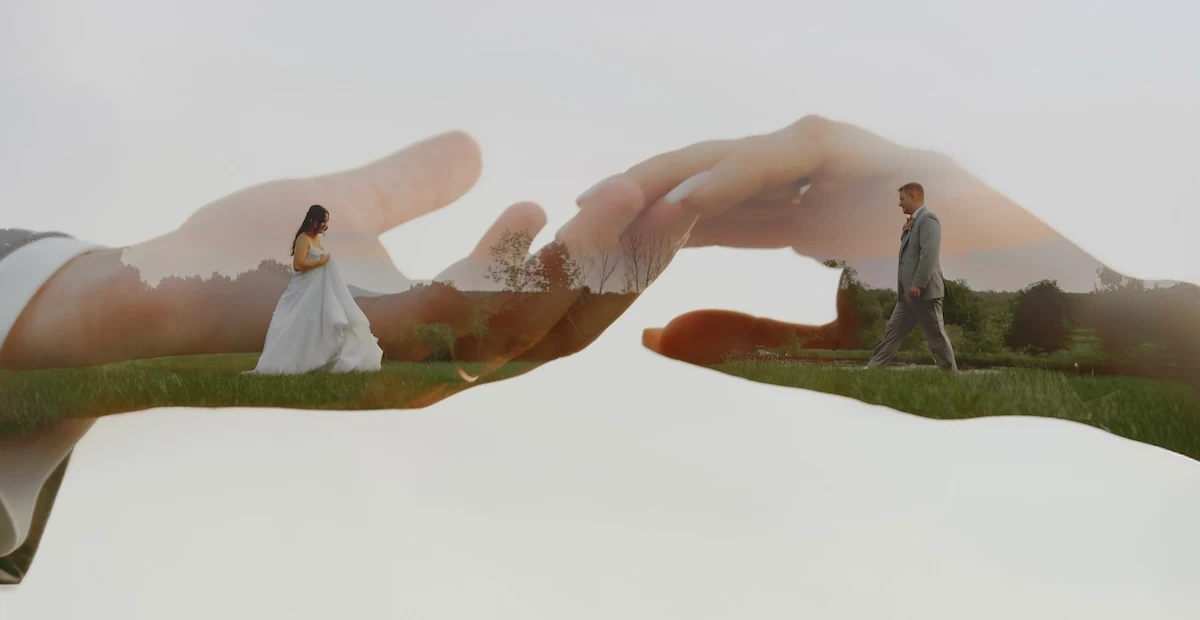
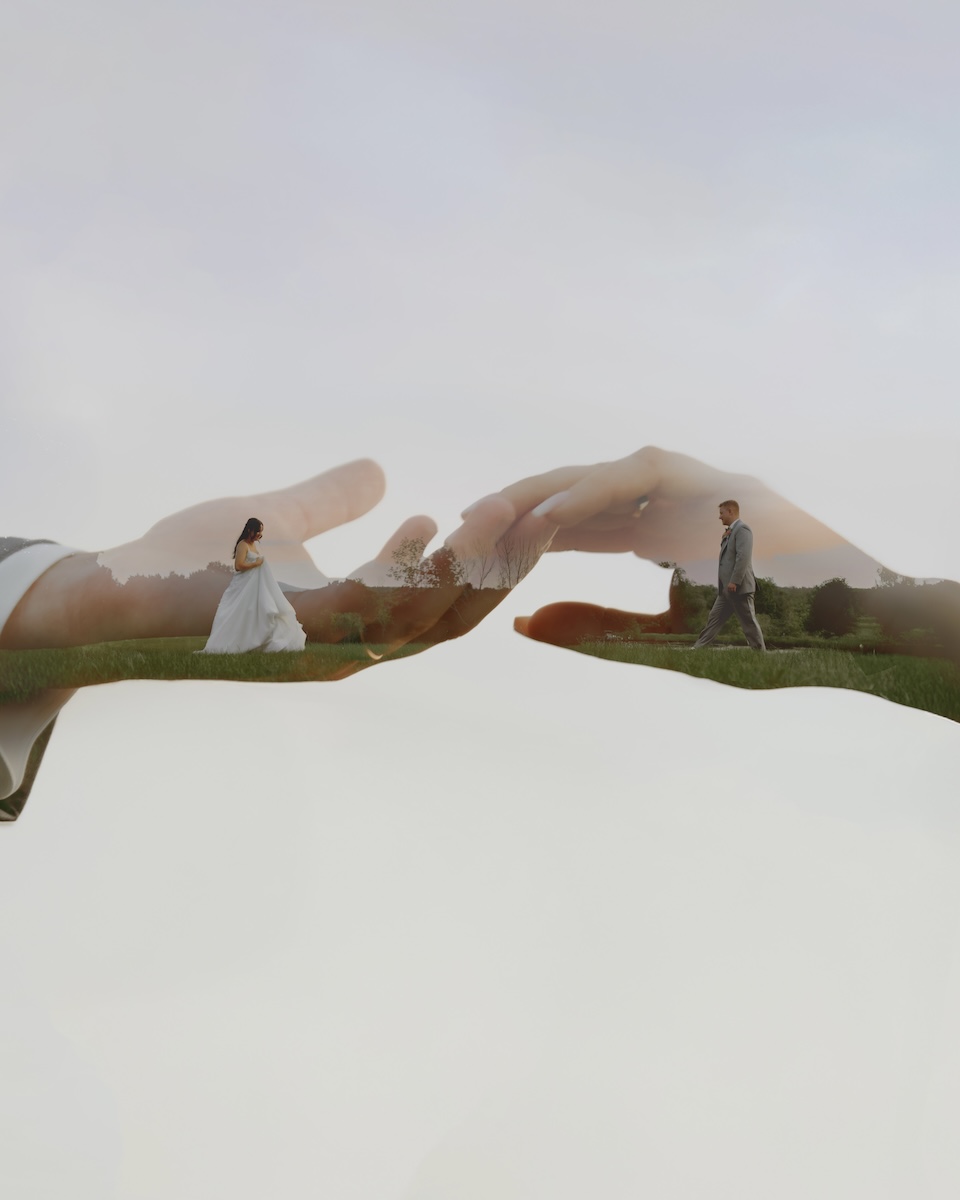
They work out of the Lehigh Valley in Pennsylvania, shoot worldwide, and are known for their in-camera double exposures. A single wedding leaves them with 4,000 to 5,000 frames, which is where Narrative comes in.
They also teach. Through Shoot Bigger, a free community and podcast for professional photographers, they spend as much time on other people's businesses as their own. That instinct, to learn something properly and then hand it over, is why the partnership made sense.
In this article
Two lanes, one business
Ten minutes for portraits
What happens to 5,000 frames
Culling from the bottom up
Why they signed on
What's next
Two lanes, one business
Dan picked up a Nikon D3200 so Laura's sister could use it while he proposed in Prague. It became a shared hobby instead.
Friends asked them to photograph a wedding shortly after their own in 2016, and the business arrived without either of them deciding it would.
Laura ran it alone at first. The double exposures, the creative direction, and most of the editing are hers. Dan came in full-time later as second shooter and to take over the administrative side.
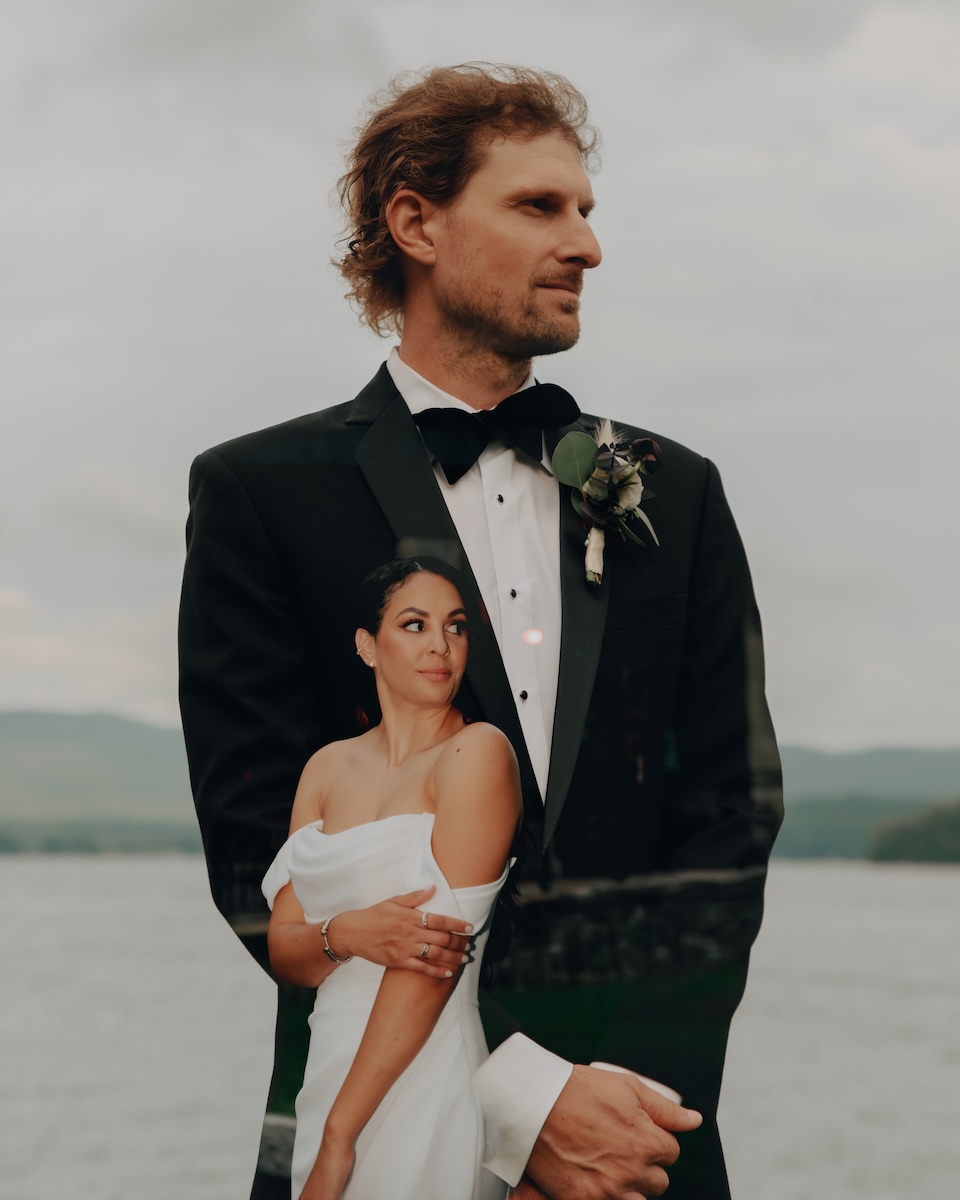
The work is documentary, editorial, and playful in roughly equal measure, with editing that runs darker and bolder than most. That has moved over time.
"I used to fully embrace a moodier, desaturated look on my photos. Clients loved it, and it stood out on social media, but I gradually transitioned to more natural colors. I made the change because I want the memories to feel happy and authentic while still being creative and exciting."
The double exposures they are now known for started the way most good things do, which is to say badly and at the last possible minute.
"One of my first in-camera double exposure attempts was at the very end of a session. I was not confident at all that it would turn out, and it took two tries, but it ended up being my favorite from the session."

Ten minutes for portraits
There is a version of the wedding photographer who guards the portrait window and negotiates hard for more of it. The Pinckards are not that.
"When a client says that they want us to have full creative freedom, we know it's going to be a good day. At the same time, we are client-focused photographers, not portfolio-focused photographers. We would rather have a less creatively fulfilling day and the happiest clients than sacrifice their experience for our work."
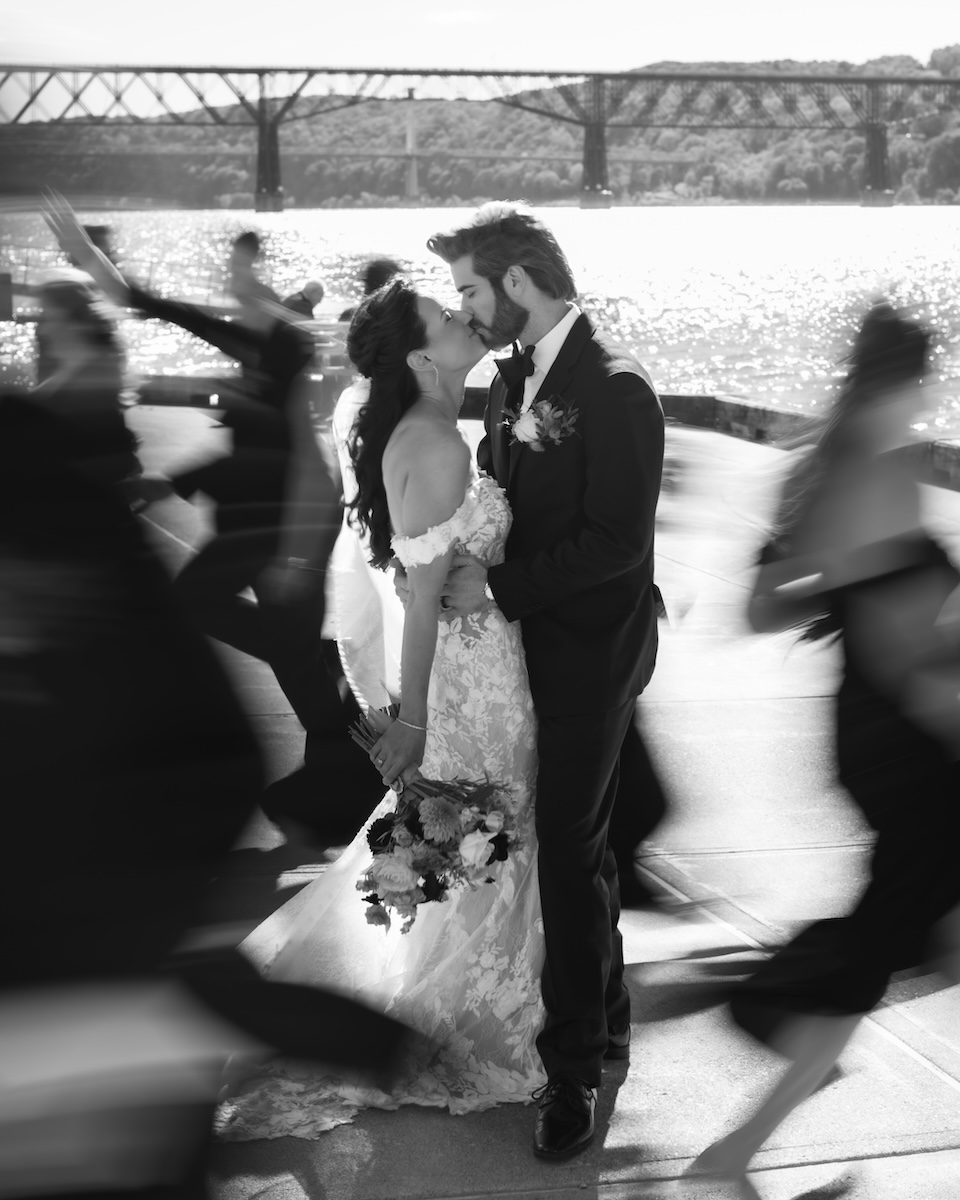
That gets tested. At a recent California wedding, the timeline had no room for portraits at all.
"Through teamwork with the planner and DJ, we found 10 minutes to run across the street right before the cake cutting. The images we were able to capture in such a short amount of time were stunning, and we were so proud to produce such beautiful work without interfering with the couple's ability to party with their loved ones."
Ten minutes, borrowed from the schedule rather than taken out of it.
It also explains a frustration they hear constantly:
"Sometimes 'posing' isn't a direct science. It involves experimentation, observation to see how the subject responds, emotional intelligence to read them, etc. When clients say 'I only need a few good pictures, it shouldn't take long,' they don't understand the process of getting those few pictures."
What happens to 5,000 frames
An engagement session runs close to 1,000 images. A wedding tops 4,000 to 5,000.
"I like to keep my options open ;)"
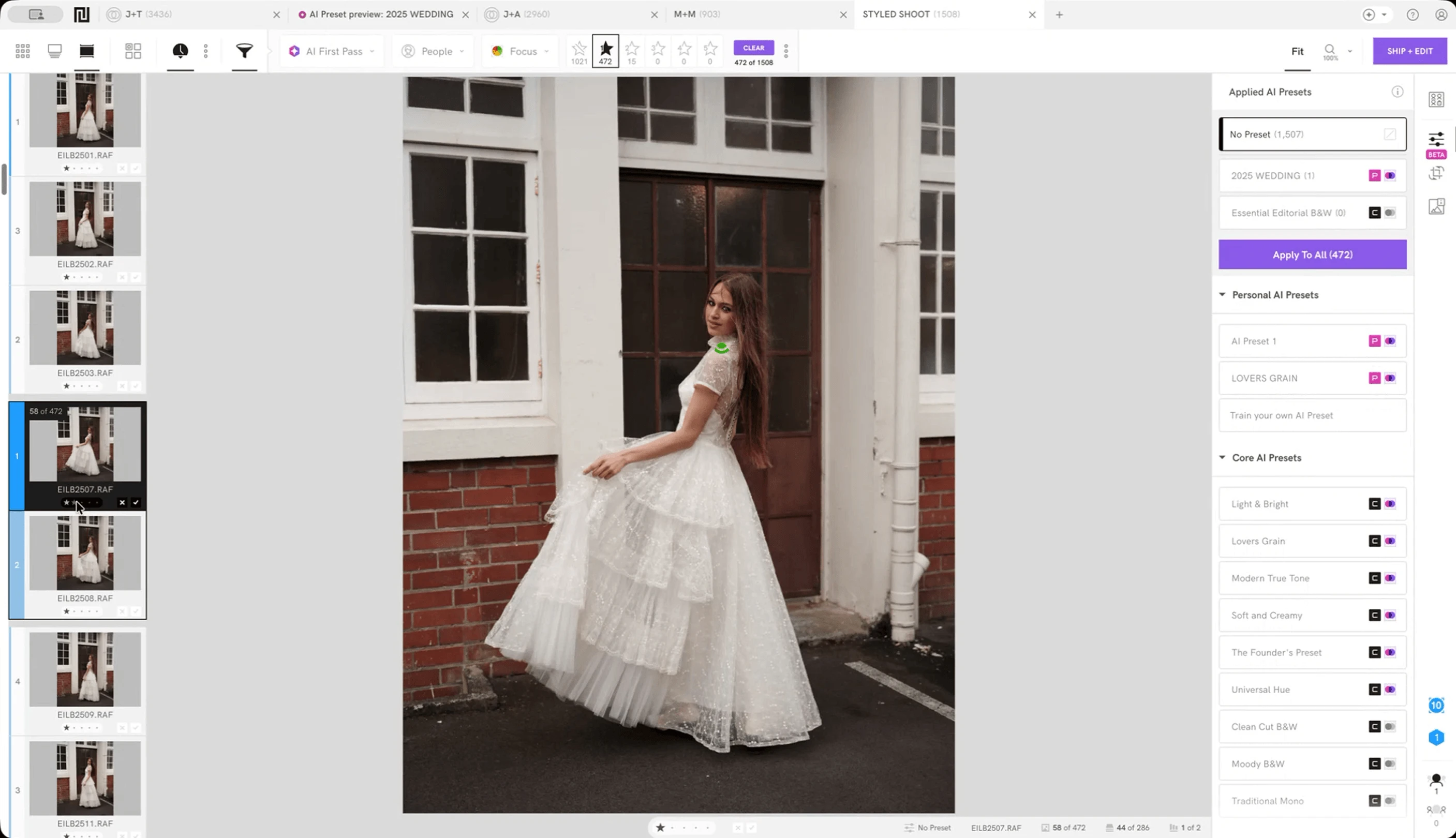
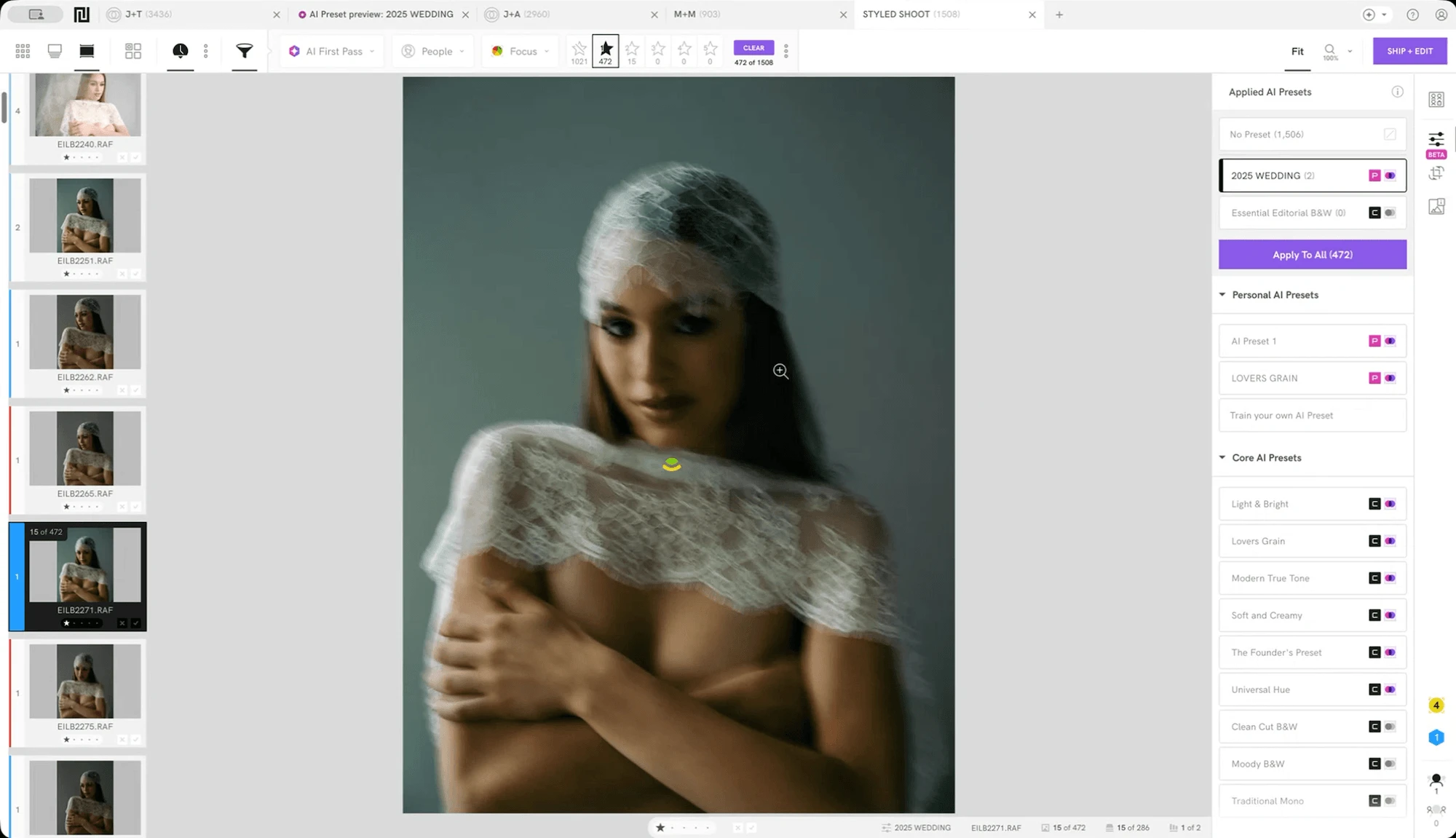
The system that catches all of it is deliberately redundant. Shoots are booked and planned in VSCO Workspace. Sessions are backed up immediately after the shoot across hard drives, safely stored memory cards, and cloud storage. From there the images go into Narrative for culling, then through an AI preset for a first edit, then into Lightroom CC for finishing, then out to clients on Pic-Time.
The feature that earns its keep on a wedding day is the Close-Ups Panel.
"I love that it shows close-ups of faces automatically, because it makes the whole process so smooth, especially when I have 15 shots of the same family grouping at a wedding."
Fifteen near-identical frames of the same eight people, and in one of them everybody's eyes are open. Finding that frame by hand is the part of the job that gets nobody excited.
Culling from the bottom up
Most photographers start at the top of the pile and work down. The Pinckards do the opposite, and it is the sharpest workflow note in their whole submission.
"I start by quickly reviewing the lowest rated images and 5-star any that I see potential in, and then compare them to the best-in-scene selections to make sure I didn't miss any important shots that AI wouldn't see my artistic vision in."
They read the rejects first. Narrative assesses sharpness, expression, and technical quality, and it does that quickly and consistently. What the software cannot assess is why a soft frame from the end of the night belongs in the gallery anyway. So Laura and Dan go looking for those, then set them against the scene selections to see what survives the comparison.
Why they signed on
Speed brought them in.
"After trying several AI culling programs, Narrative was by far the most user friendly and actually cut down the time it takes to deliver photos. The UI makes it easy to trust Narrative's decision-making without feeling like I didn't have a say in the process."
Asked what kept them past the first few galleries, the answer was two words: community, and Narrative's focus on supporting artists rather than replacing them.
"Other AI companies seem to be gradually working towards replacing the entire post-processing workflow, while Narrative equips photographers to streamline the mundane parts."
That is the same position they take with the photographers they teach, which is most of the reason this partnership fits. The change they point to is not measured in hours saved on a gallery. It is measured in what those hours turned into.
"Narrative directly gives me more time with my 16-month-old son and more time to travel and enjoy life without spending 40+ hours on a gallery like I used to."
Their advice to photographers still holding AI at arm's length:
"A lot of people are scared of AI taking over everything creative, but it doesn't have to. Using a tool like Narrative can enable you to spend more time being creative and less time being indecisive and overwhelmed with choices, especially when you're the world's biggest overshooter like me."
What's next
More travel work and more weddings in beautiful destinations. Further out, a photography retreat and workshop in Europe in 2027.
Follow their work at @thepinckards and thepinckards.com, and find their community and podcast at shootbigger.com.
Welcome, Dan and Laura.
💜 Start a free Narrative trial and cull your next gallery the way The Pinckards do, from the bottom up.
The Narrative Newsletter