What Premium Wedding Clients Expect From Their Photography Package in 2026

Elli Kim Content
Tuesday, May 12, 2026
Wedding photography has always rewarded photographers who understand the difference between delivering images and delivering an experience. In 2026, that distinction is sharper than ever at the premium tier.
Today, Gen Z makes up the majority of engaged couples in the US. A generation arriving with expectations shaped by years of editorial reference-gathering on social media, and a generation that treats visual storytelling as a baseline skill.
They know what they want. They know what's possible. And they're choosing photographers who can meet them at that level across every part of the package, not just the shooting day.
This post covers what premium wedding clients are looking for in 2026, specifically in terms of what photographers include, deliver, and offer, and how to structure a package that justifies a premium price point.
In this article:
A Second Shooter as Standard, Not an Add-On
Social-First Delivery: The 24-48 Hour Expectation
Full-Day and Multi-Event Coverage
Curation Over Volume
A Physical Deliverable Worth Keeping
How to Structure a Package Around These Expectations
A Second Shooter as Standard, Not an Add-On
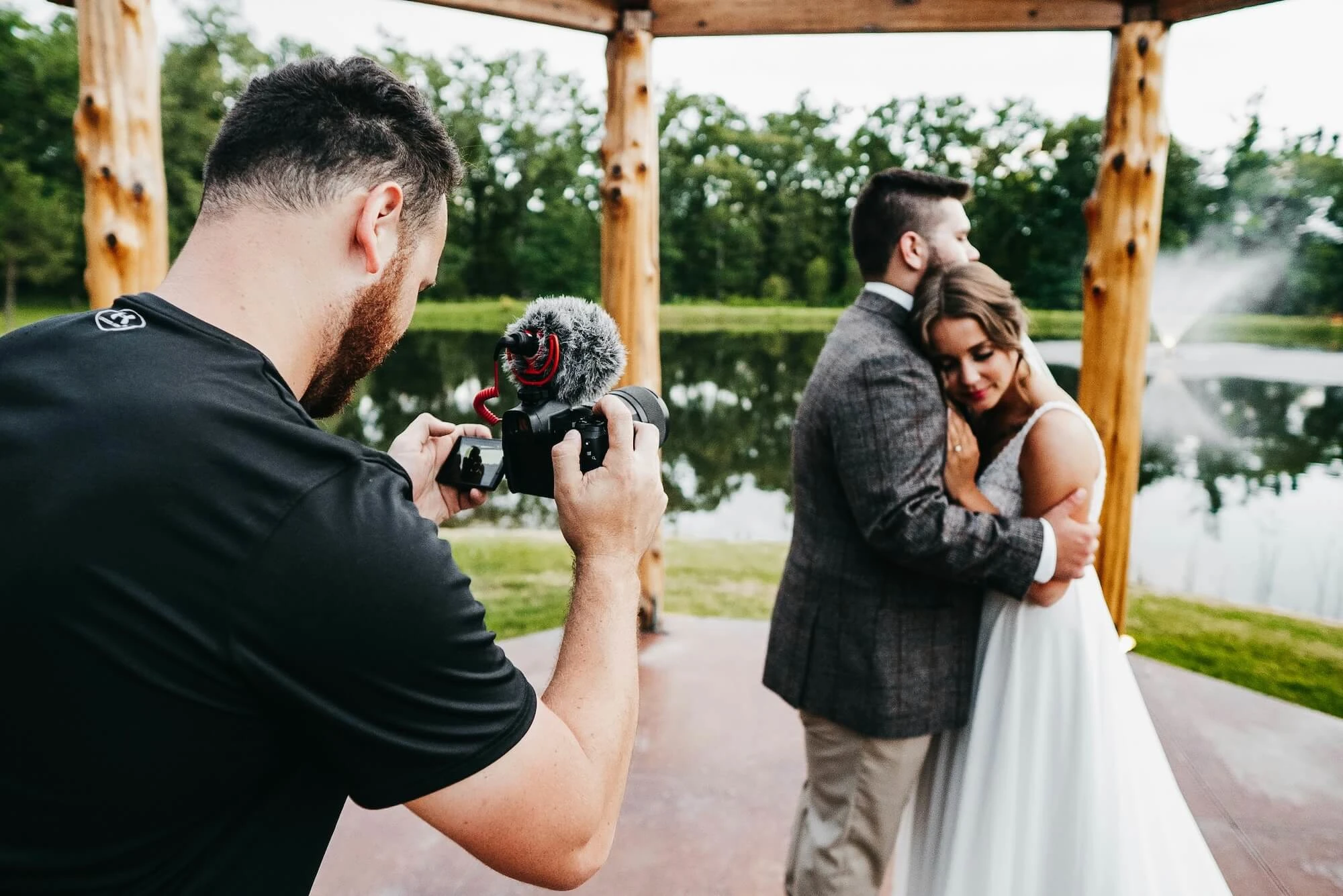
A second shooter is no longer optional at the premium tier. Increasingly, it's a baseline expectation across the mid-to-high range of the market.
Gen Z plans weddings with the full story in mind, and they want the images to prove it. Traditional, posed coverage is giving way to celebrations rooted in authenticity and intention, and capturing that authentically requires more than one set of eyes.
The implication is that you need a second photographer to capture the partner's reaction, while the lead photographer captures the aisle walk. It's the difference between documenting the moment and telling the full story of it.
For photographers charging at the premium level, moving a second shooter out of the add-on column and into the standard package removes friction at the booking stage. It also signals that you've built your offer around what clients at this tier actually expect, rather than waiting for them to ask.
・・・
Social-First Delivery: The 24-48 Hour Expectation
Gen Z feel active pressure to have a social media-worthy wedding. Couples want a curated set of polished images ready to share while the wedding is still the thing everyone is talking about. According to Zola's 2026 First Look Report, 40% of couples now explicitly ask their professional photographers to capture social-first content as part of their shot list.
For premium packages, the social delivery expectation typically means 15 to 30 fully retouched selects within 24 to 48 hours, images that represent the visual tone of the full gallery and that the couple would be proud to share publicly. A quick export of lightly edited files does not meet this bar. The clients paying at the premium tier are sharing with an audience that will make inferences about the photographer's quality from what they see.
Meeting this expectation consistently requires a workflow built around it, not one that treats the social delivery as a special request grafted onto the standard process. Tight culling, consistent color grading, and a reliable export pipeline are what make it repeatable. The photographers who deliver on this without it costing them the following week are the ones who build the reputation for it.
The full gallery turnaround matters too. Industry standard sits at six to twelve weeks. Photographers who can consistently deliver within three to four weeks at the same quality level hold a genuine competitive advantage at the premium tier, where clients refer each other.
・・・
Full-Day and Multi-Event Coverage
Premium weddings are rarely one-day events, and premium clients expect their photography package to reflect that.
The welcome dinner and rehearsal are increasingly part of the visual story. Clients who are flying in guests from multiple countries, hosting two or more days of events, and investing at the higher end of the market want the narrative to start before the ceremony. Coverage of the rehearsal dinner, welcome drinks, or morning-after brunch extends the album and the story in ways a single-day package cannot match.
Day-after sessions are also becoming a standard expectation at the luxury tier. An editorial shoot the morning after the wedding, away from the venue and the logistics of the day, produces a different quality of image. The couple is relaxed. The location is chosen rather than managed. The pressure of the day is gone. For photographers who want to produce their best portfolio work, the day-after session often yields it.
The Knot's 2026 data points to a broader shift toward either smaller, curated gatherings or larger, fully immersive experiences. Photographers positioning themselves for the latter need packages that match that scope.
If your current packages offer multi-event coverage only as an hourly add-on, consider whether a structured multi-day package better reflects how luxury clients think about the investment. They're not buying hours. They're buying a complete record of an experience.
・・・
Curation Over Volume
The volume competition is over at the luxury tier. Instead of 2,000 decent images, premium clients want 400 that are genuinely worth keeping, sequenced to tell the story of the day with intention and editorial judgment. They're paying for the photographer's eye, which includes knowing what to cut.
Zola's documentary photography guide puts the deliverable range for full-day documentary coverage at 400 to 800 edited images, noting that this ensures a complete story without being overwhelming. The emphasis is on the story, not the count. For premium packages, landing at the tighter end of that range, with genuine selectivity behind every image, is a stronger position than padding toward the higher end.
This is a significant reframe for photographers who've historically used image count as a selling point. At the premium level, a tighter, more curated delivery signals confidence in the work. It respects the client's time. It produces an album that holds together as a narrative rather than an archive.
Delivering on this consistently requires culling discipline. The ability to move through a large shoot quickly and make confident selections is what creates the space to curate rather than just process. Photographers who've built faster culling into their workflow aren't just saving time on the back end. They're producing a better client deliverable.
・・・
A Physical Deliverable Worth Keeping
Digital galleries are expected at every price point. At the premium tier, a physical deliverable is part of what separates a luxury package from a standard one.
The bar for what that physical deliverable looks like has risen. Premium clients are not impressed by standard photo books or budget flush-mount albums. What resonates at this level is craftsmanship: hand-bound construction, Italian leather or linen covers, archival-grade paper, and physical quality that communicates the images inside were made to last.
Fine-art albums in this category represent a meaningful investment for the photographer to source and produce, and they should be priced accordingly. The value to the client isn't just aesthetic. A well-made album is an heirloom. Framing it that way, in how you describe it at booking and in how you present it at delivery, changes how clients perceive the price.
For photographers who want to offer a physical product without the production timeline of a full album, a fine-art print box is a credible alternative. A curated set of 10 to 15 master prints on heavyweight or deckled-edge paper, presented in considered packaging, delivers a tactile experience at a lower production cost. It also works well as a mid-tier physical option in a structured package range.
The business case for physical products isn't sentiment. It's margin and differentiation. Digital delivery has become the default at every price point. Physical products are where the premium tier separates itself, and where clients self-select into higher packages when the options are presented clearly.
・・・
How to Structure a Package Around These Expectations
The expectations above don't need to appear in every package. They need to appear in the right package at the right price, clearly separated from what sits below it.
A useful frame for the premium tier:
What's always included. Full-day coverage with a second shooter, social-first delivery of 20 to 30 fully retouched selects within 48 hours, a curated final gallery of your best 400 to 500 images, and a branded digital gallery on a platform that matches your aesthetic.
What defines the premium package specifically. A fine-art album or print box, welcome dinner or day-after session coverage, a turnaround guarantee, and anything that makes the handoff feel considered: a personal delivery note, a blog post published before the gallery drops.
What you don't include. Raw files, excessive image volume, or rushed delivery that undermines quality. These aren't omissions. They're signals about the level of work you're offering.
The language matters as much as the structure. Each element should communicate care and intentionality, not just a list of deliverables. Premium clients are making an emotional decision backed by a financial one.
According to The Knot's 2026 study, 88% of couples hire a photographer, making it one of the most universally prioritized vendor categories. Nearly 55% say they're most willing to splurge on their photographer over any other category, according to Zola. The market for premium work is real. A package built to match it, from the second shooter at the ceremony to the album on the shelf a year later, is one worth paying for.
One final point. The time you recover through a faster, more efficient culling and editing workflow isn't just time saved. It's capacity reinvested, whether into faster turnarounds, tighter client communication, or the creative headroom to produce the curation premium clients are actually paying for.
・・・
Premium clients in 2026 are not buying photographs. They're buying a photographer's judgment, process, and ability to shape the story of one of the most significant days of their lives into something worth keeping. A package built around that understanding is one that commands premium pricing, and earns it.
💜 If the post-production side of your workflow is where that promise gets stretched, try Narrative's advanced culling features.
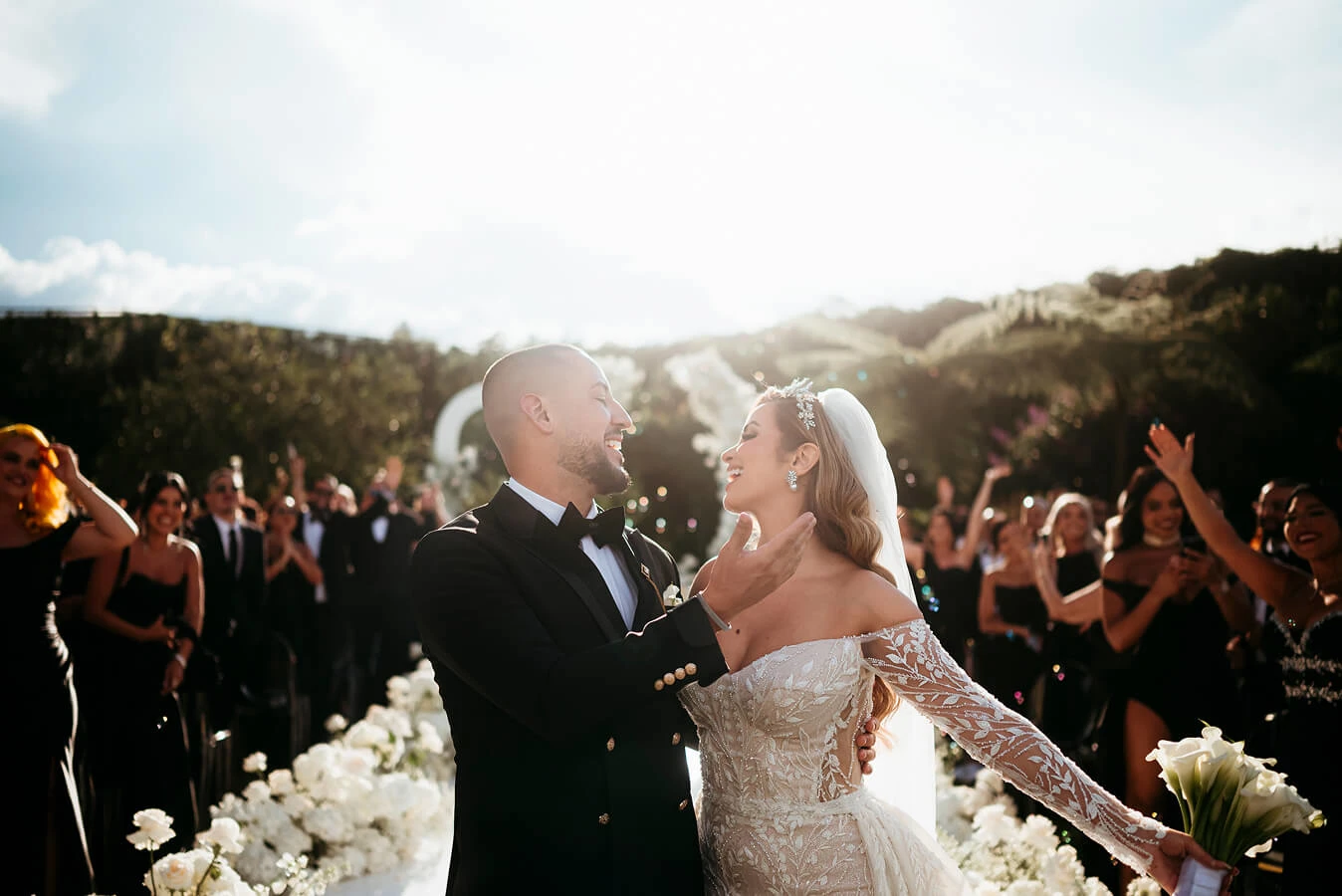
Cover Photo By KZU & CO.
Content