Behind the Build: Paul Oliver on Predictable Systems and the Hardest Problems in AI-Powered Culling and Editing

Wednesday, August 26, 2026
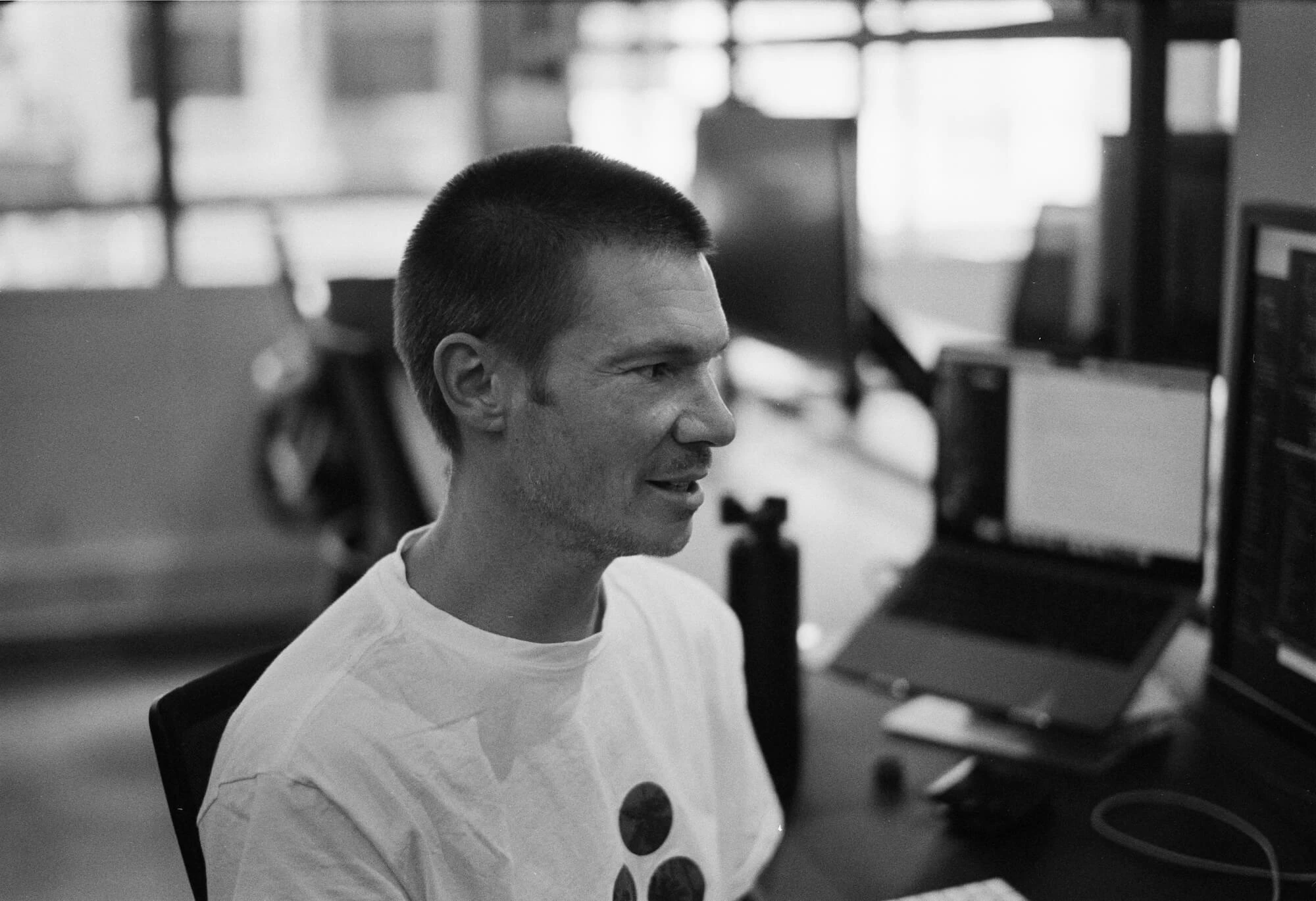
Paul Oliver is Narrative's Head of Engineering, responsible for the systems behind Narrative's AI-powered photo culling and editing tools.
In this interview, part of Narrative's Behind the Build series, Paul explains why good engineering should feel boring, what looks simple from the outside but isn't, and the mindset shift every new engineer has to make when they join Narrative.
Q: If you had to explain your job to a five year old without using the word "engineering," what would you say?
I help a team solve big puzzles to build a time-saving tool. It does chores so quickly that it gives people their day back. Things that used to be really hard and slow now happen instantly because of what we built.
Q: What problem are you personally most obsessed with solving right now, even when it's not the easiest path forward?
I'm focused on making sure our systems are rock-solid without losing our ability to move quickly. It's easy to take shortcuts and ship things that 'mostly' work, but solving for correctness in a distributed environment is different. I'm stuck on the idea that we can have both speed and reliability.
Q: A lot of people think a Head of Engineering spends most of their time managing. What part of your role would surprise them?
What might surprise people is how much I'm still involved in the technical details. I still spend a lot of time diving into architecture or weird edge cases with the team.
Q: Engineers often talk about "taste" in design or product. What does good engineering taste look like to you?
I think good taste in engineering is about predictability. The system should be 'boring' in the best way possible. No magic, no hidden side-effects, predictable latency and throughput.
Q: Your career path led you here for a reason. Looking back, what thread connects the work you've done before with what you're building at Narrative now?
I've always been interested in the extremes of what is possible. Whether that be throughput, latency, correctness or scalability. When I heard about Narrative I immediately scheduled a coffee with the cofounder and we ended up chatting about nerdy stuff. What drew me in was the way they were taking the computation to the edge to enhance user experience.
Q: When an engineer joins Narrative, what's the first mindset shift they usually have to make?
We want people who are masters of their domain. Someone who can own something, figure out how to do it, and take care of it from soup to nuts.
Q: What's a technical challenge the team has tackled recently that looks simple from the outside but was anything but?
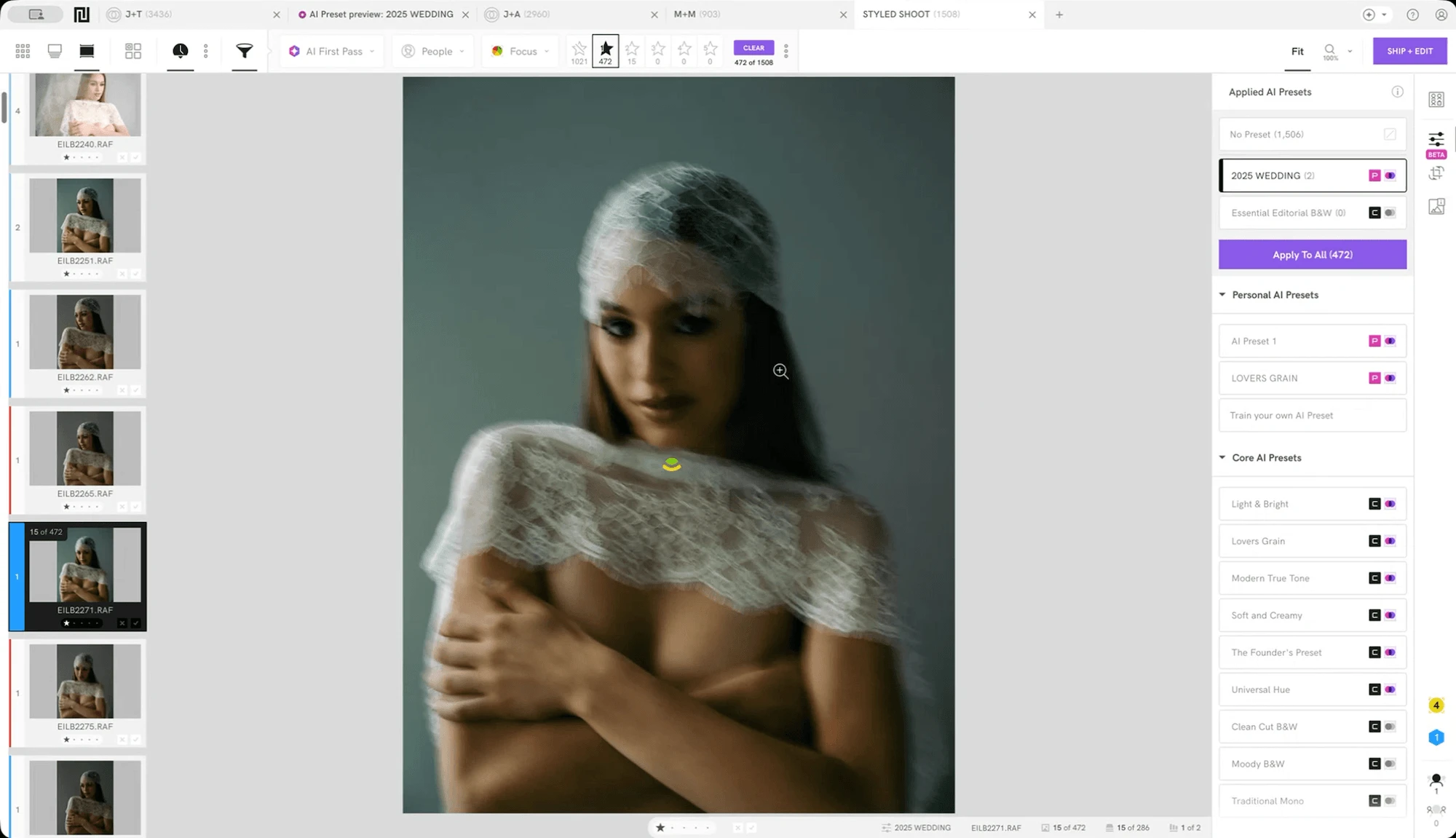
One example is building the ability to use machine learning to edit photos in a user's own style.
On the surface, it sounds straightforward. People assume it's just training a model and applying a preset. In reality, it sits at the intersection of product expectations, model behaviour, and systems design.
The hard part isn't just generating an edit that looks good. It's generating something that feels personal and consistent. That means:
Learning from relatively small, messy datasets
Preserving subtle stylistic signals rather than obvious ones
Making outputs predictable enough that professionals can trust them
Then there's the systems side. You're not solving this once in a research environment. You're building something that has to run reliably, perform well, and integrate into a real workflow.
A lot of the complexity lives in the edges. Handling variability between users, keeping performance tight, and making sure the experience feels seamless even when the underlying technology is doing something quite sophisticated.
Those are the kinds of problems we enjoy. From the outside they look simple. Underneath, they're deeply multi-layered.
Q: If someone sat in on a real engineering discussion at Narrative, what would feel different compared to a typical tech company?
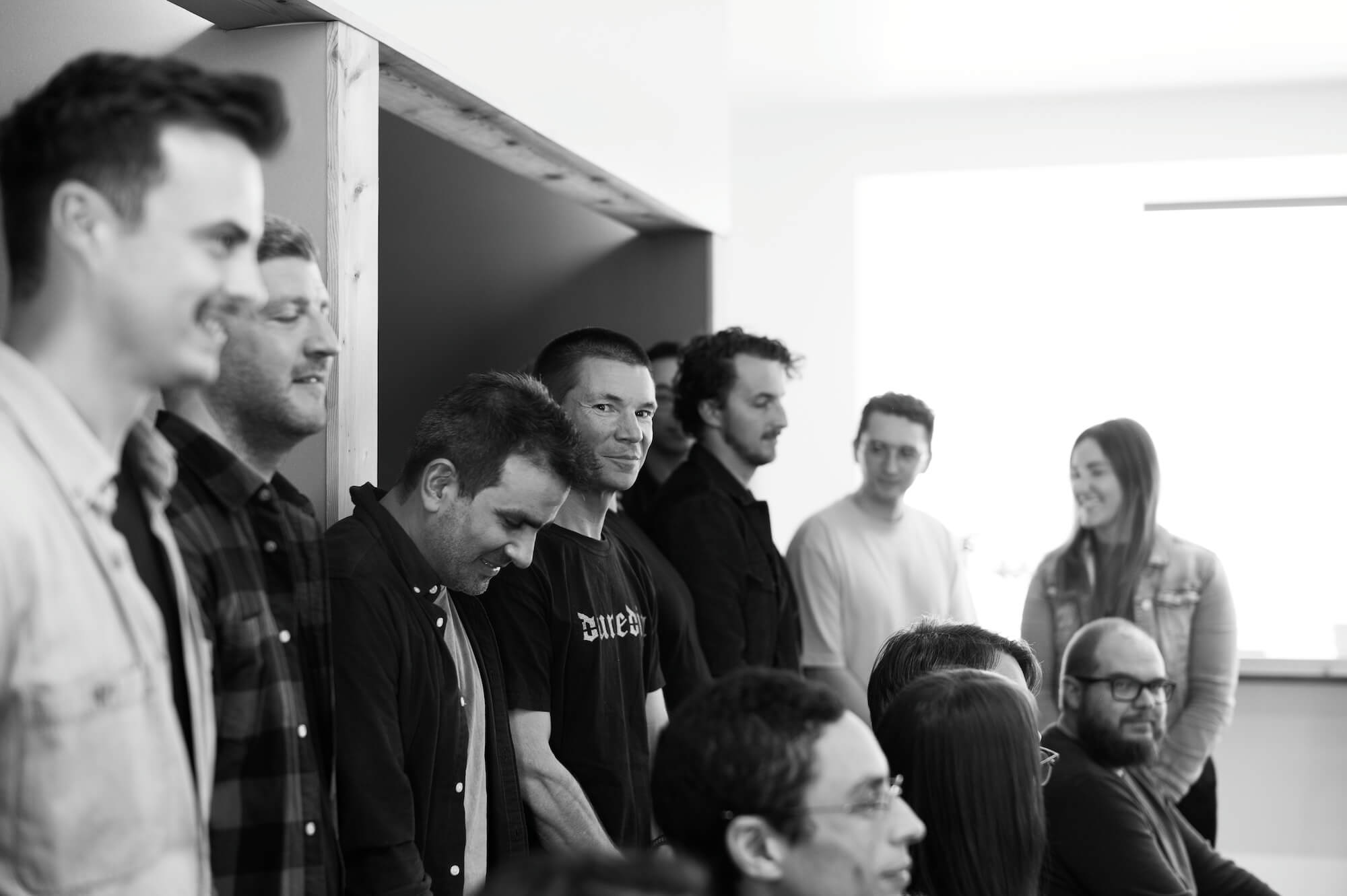
One thing that stands out quickly is the lack of ego. That makes healthy disagreement much easier. People are comfortable challenging ideas without it becoming personal, which leads to better outcomes.
We're also a lot closer to product than in many companies I've worked at. Engineers are involved early in shaping direction, not just implementing decisions. Conversations tend to revolve around user problems and tradeoffs rather than just technical execution.
Another difference is how naturally AI shows up in day-to-day workflows. It's not treated as a separate specialty or something only a few people touch. We actively encourage engineers to explore it, experiment, and build intuition around how it can improve the way we work.
That includes giving people access to tools, supporting experimentation, and generally making it easy to upskill. Over time it creates a culture where new ideas surface organically because people are empowered to explore them.
Overall, the tone is collaborative and curious. There's a lot of exploration, but it's grounded in real problems and shared ownership.
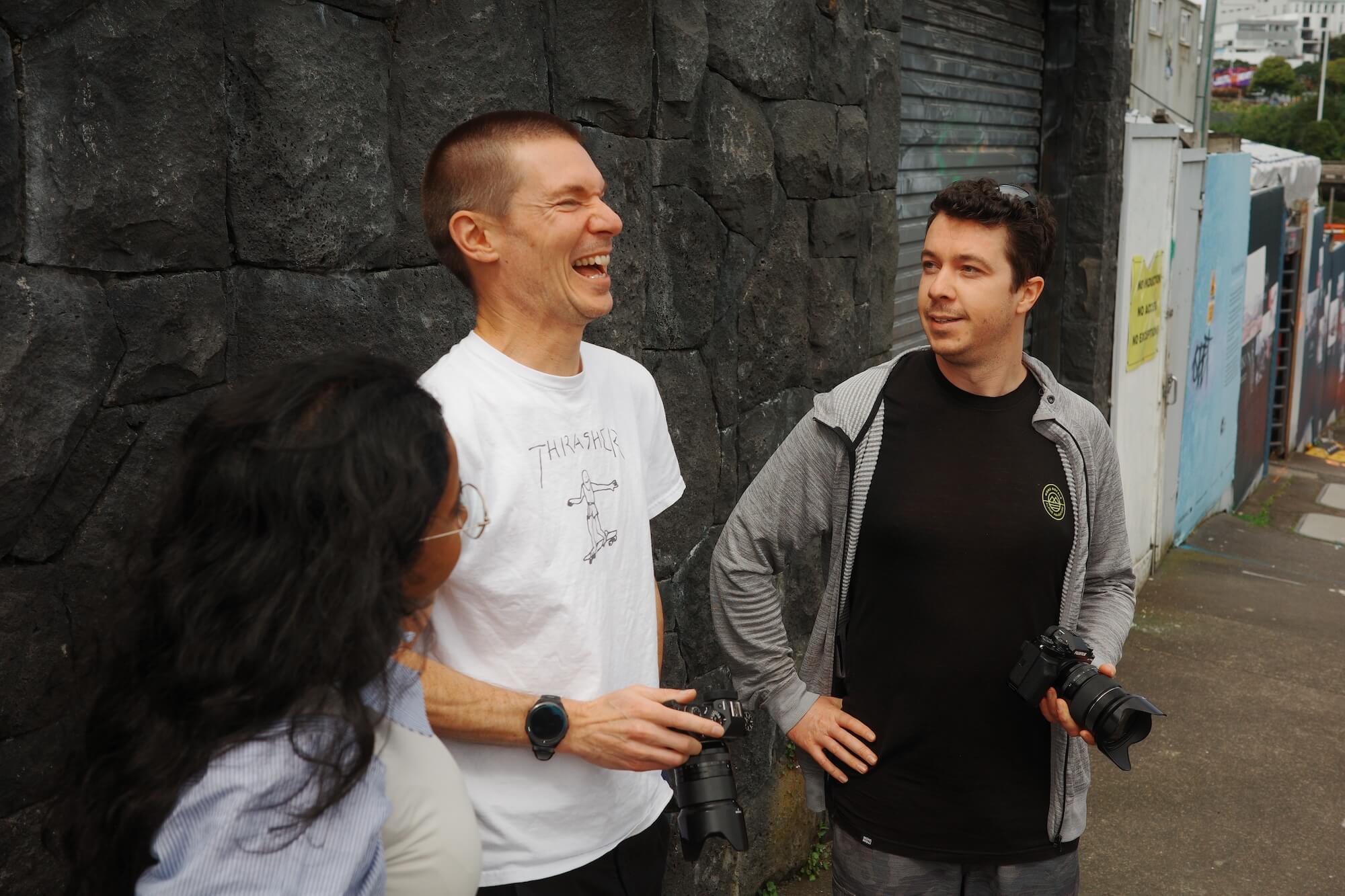
Q: Some engineers thrive in ambiguity, others prefer structure. Where does Narrative sit on that spectrum, and why?
We like to ship but we don't enjoy making rods for our backs. We're more than happy to build a prototype and throw it away to help us navigate a problem space.
Q: As Narrative grows, what's the engineering challenge you're most excited about solving next?
Creating seamless edge/cloud workflows to optimise user experience.
Predictability over cleverness, and a willingness to prototype and throw work away: that's the engineering culture behind Narrative's products.
If problems like these sound interesting rather than exhausting, Narrative is hiring engineers who think this way. We currently have two open roles: Senior AI Engineer and an ongoing Software Engineering Expression of Interest.
See all current openings at narrative.so/careers.