How to Market Your Photography Business to the Right Clients
Taylor Nixon Photographer Relationship Manager, Narrative
Friday, June 26, 2026
Most photographers in year two have the same problem.
Inquiries are coming in. Shoots are getting booked. But the clients feel like a mismatch. Budget conversations are exhausting. You finish a gallery proud of the work, but it isn't exactly the work you want to be known for.
Here's the thing: the problem usually isn't volume. It's signal.
You're attracting the wrong people because you haven't made it clear enough who the right ones are. That's what niche marketing actually fixes.
In this article:
Why trying to appeal to everyone works against you
What a photography niche actually is (and isn't)
How to figure out your niche
Build a portfolio that speaks to one person
Where your niche clients are searching
Pricing as a niche filter
Your inquiry process is part of your marketing
Delivery speed is a reputation multiplier
Why Trying to Appeal to Everyone Works Against You
When you're building from scratch, the pressure to stay open to anything feels practical.
Turning down any booking seems like a mistake when the next one isn't guaranteed.
But when your brand tries to speak to everyone, it ends up speaking to no one with real conviction.
Your portfolio becomes a collection of everything you've done rather than an argument for something you do exceptionally well. Clients looking for their photographer, not just a photographer, scroll past.
The photographers who build strong referral networks aren't usually the most versatile.
They're the ones who made it easy for past clients to describe them in one sentence:
"She does gorgeous golden hour portraits in documentary style."
"He's the one you want for a candlelit reception."
That sentence generates a warm referral. It comes from clarity, not range.
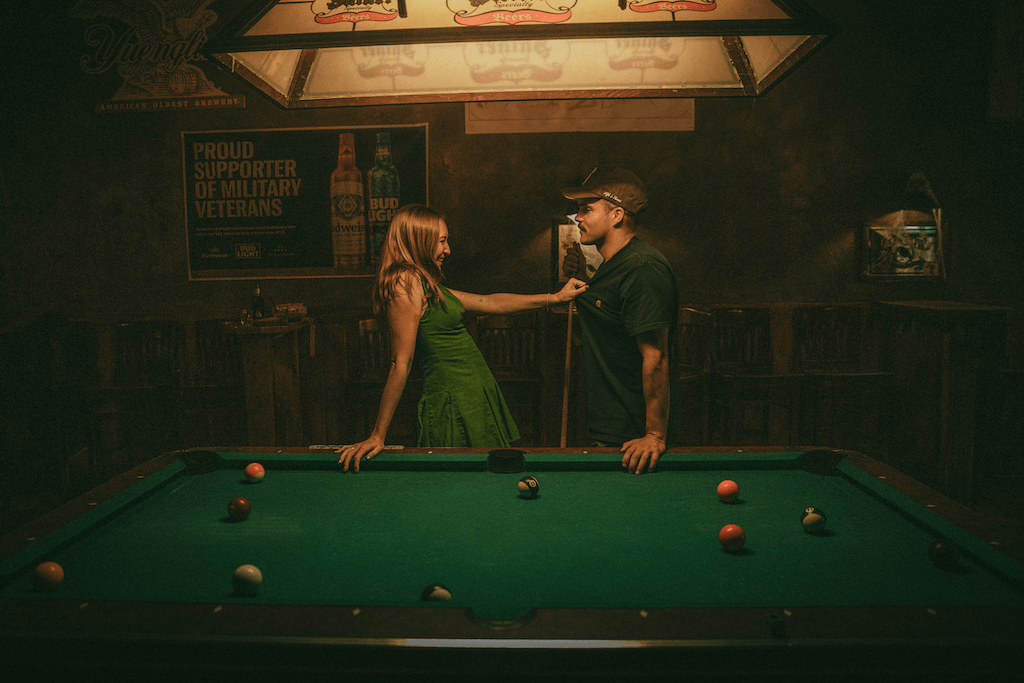
Image credit: @cowboycreativeco
What a Photography Niche Actually Is (and Isn't)
"Wedding photographer" isn't a niche. There are tens of thousands of wedding photographers.
A niche is the intersection of genre, style, subject matter, and client type that makes a specific group of people feel like you're the obvious choice.
Examples of what actual niche positioning looks like:
A documentary-style photographer who specializes in intimate weddings and elopements at non-traditional venues
A portrait photographer whose work centers on multicultural families, with branding that reflects that intentionality
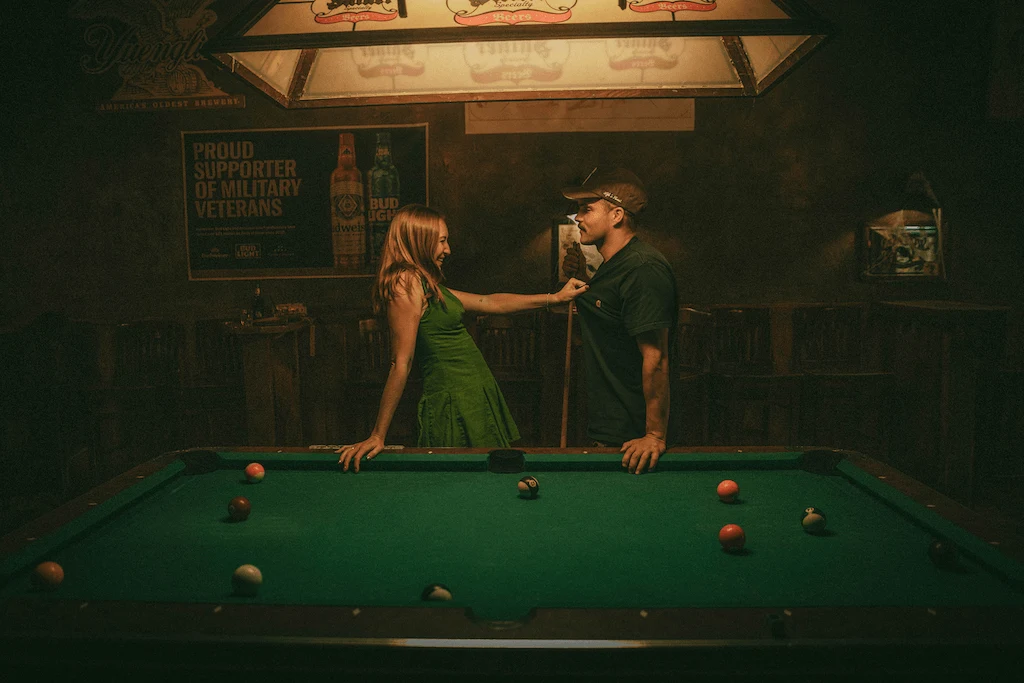
A wedding photographer known for dark, editorial imagery at dramatic venues
A newborn photographer whose gentle, minimalist aesthetic attracts a very specific type of client
Here's the key point: none of these niches eliminate clients. They attract a specific type.
The documentary elopement photographer will still photograph large weddings. But her branding is specific enough that the couple planning a 12-person mountain elopement sees themselves in her work immediately.
If you shoot two genuinely different styles, give them separate sections of your site. A portfolio trying to serve both a documentary wedding niche and a corporate headshot niche usually serves neither.

Image credit: @taylormade.memories
How to Figure Out Your Niche
You have enough data at this stage. Ask yourself:
Which shoots felt like flow? Not "which went smoothly," but which ones had you so engaged the time disappeared.
Which galleries are you proudest of? Pull out five images you'd put on your website today. Is there a through-line in light quality, subject type, location, emotional register? That's your natural style.
Which clients referred more clients? If a certain type of client keeps producing word-of-mouth, that's a signal you're doing something exceptional for them.
Which shoots felt like a mismatch? If a heavily styled shoot left you flat but an impromptu family session lit you up, that's meaningful data.
Niche positioning evolves. The goal is to lean into what's working and build your visible brand around it.
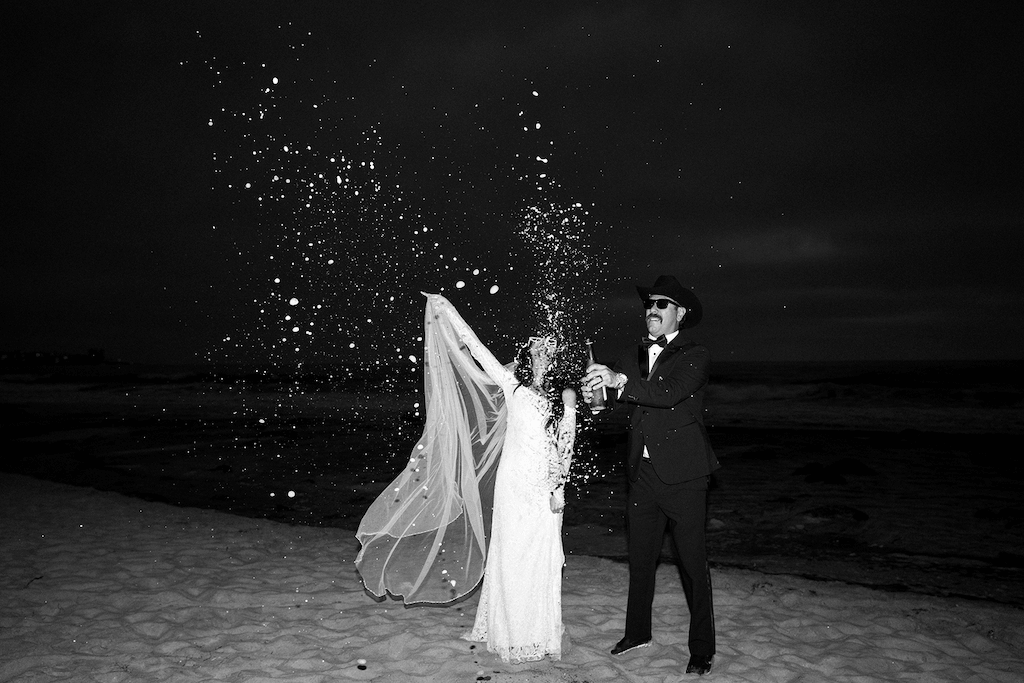
Image credit: @marilyn.joy_photography and @thebohobungalow_
Build a Portfolio That Speaks to One Person
Every image you include is either reinforcing your positioning or diluting it.
When selecting portfolio images, stop asking "is this a great photo?"
Ask: "Does this show exactly the kind of work I want to be hired to do again?"
If you're building toward a documentary wedding niche, the moody couple portrait session you shot for a friend (even if it's technically beautiful) might not belong in your primary gallery.
Including it tells clients your work is variable. Excluding it tells clients you're committed.
Keep it to 40-60 images
Fewer, better images demonstrate more confidence than 200 "good" ones.
Clients aren't looking for volume. They're looking for conviction.
Show a full gallery sample
Couples who've done their research know any photographer can produce a handful of stunning hero shots. What they're actually checking:
whether quality holds across an entire gallery
whether the style feels like a genuine point of view or borrowed trends
One complete gallery from a real wedding builds more trust than a curated "best of."
Let your captions do work
"Sarah and James, rustic outdoor wedding, Colorado mountains" tells your niche client something.
"I almost missed this moment. They forgot I was there." tells them how you work.
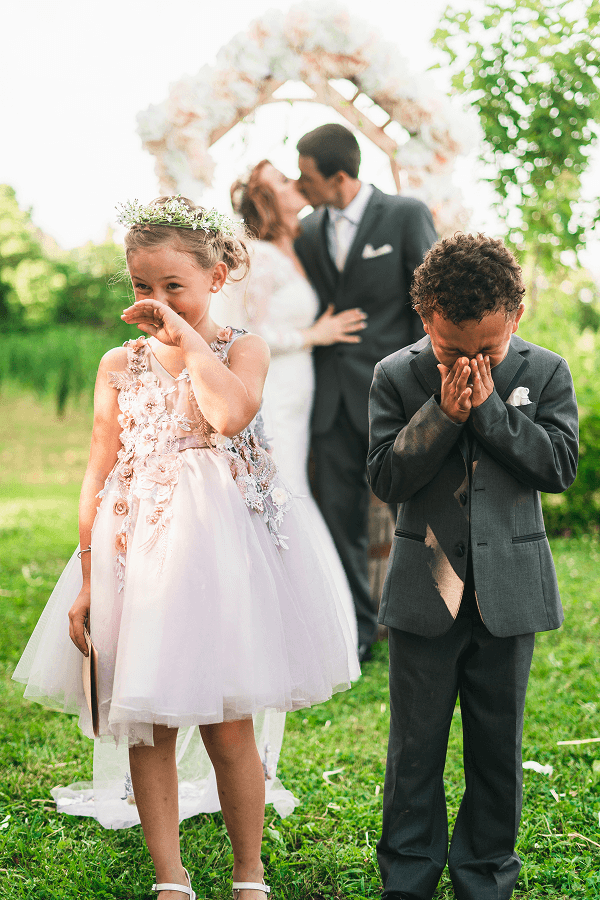
Image credit: @jedkim_
Where Your Niche Clients Are Searching
Instagram and TikTok
Most couples start here before they know who they're looking for. They follow accounts, save images, screenshot things to show each other. They're building a picture of what they want their wedding to feel like — not evaluating photographers yet.
Your feed needs to feel consistent. If a potential client lands on your profile and can describe your work in a sentence, you're doing it right.
Your bio is a niche signal:
"Austin wedding photographer | Documentary | Small intimate weddings" works
"Austin-based photographer | Available for all occasions" doesn't
Google favors specificity.
A page titled "Austin Documentary Wedding Photographer" with content genuinely about that topic will outperform a generic "Austin Photographer" page. Niche-specific blog posts compound this over time — and AI-powered search tools reward the same depth.
Venue relationships
Many couples book their venue before their photographer — which means venue coordinators see your work before most clients do.
If you've shot at a venue that fits your aesthetic, reach out to the coordinator.
Show them a gallery from that venue
Ask to be on their preferred vendor list
They send you couples who've already chosen an environment that matches your style.
Wedding planners
Planners who know your work will only refer you to couples they think are right for you — a higher-quality lead than most paid channels.
Styled shoots
Done well — meaning you take creative control and produce work that represents your niche — a styled shoot fills portfolio gaps and generates vendor relationships at the same time.
Done poorly, it's a free shoot that produces content that doesn't serve your brand.
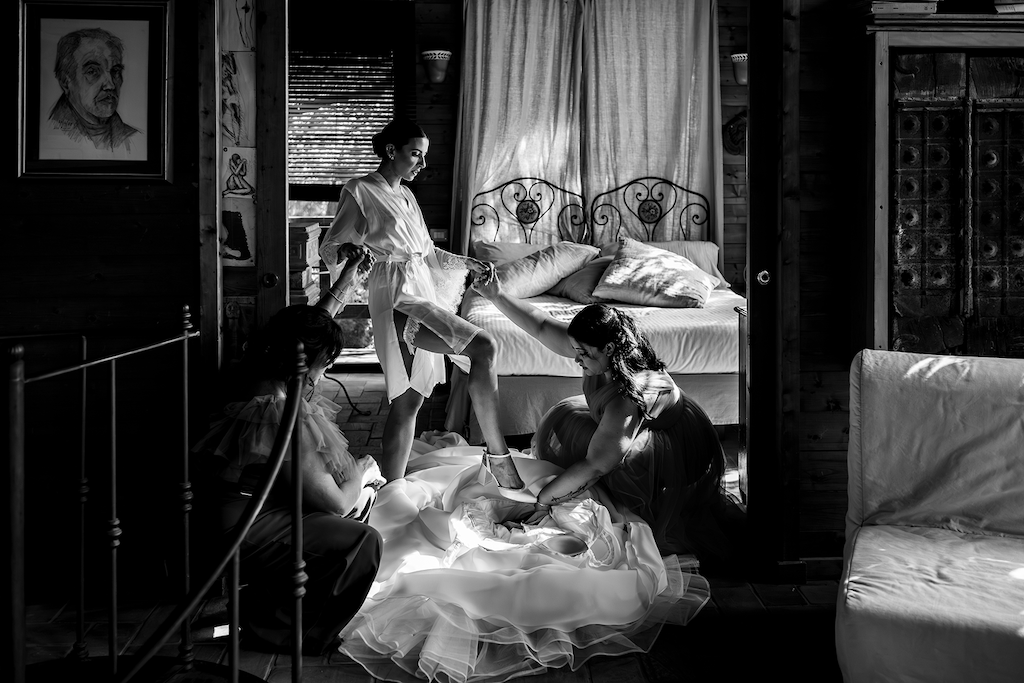
Image credit: @francescogaldieri_photographer
Pricing as a Niche Filter
Your pricing page is doing niche marketing whether you intend it to or not.
Photographers who hide their pricing to "avoid scaring people off" often spend hours on inquiry calls with clients who can't afford them.
Transparent pricing:
filters for clients who can genuinely afford you
signals confidence in your value
tells clients what category of photographer you are before they read your bio
A "starting at" figure or a clear investment page is enough.
The right client won't be deterred by your price.

Image credit: @shootwithjordan
Your Inquiry Process Is Part of Your Marketing
The gap between inquiry and response is not administrative dead time. It's a signal.
A prompt reply that references something specific:
"I saw you're getting married at Barr Mansion. I've shot there twice and the light in the oak grove during golden hour is extraordinary."
That tells the client you're attentive and already thinking about their specific day.
Most couples inquire with three to five photographers at once. The first to respond with warmth and specificity sets a bar the others have to clear.
When two photographers are roughly equal on style, the inquiry process is frequently what tips the decision.
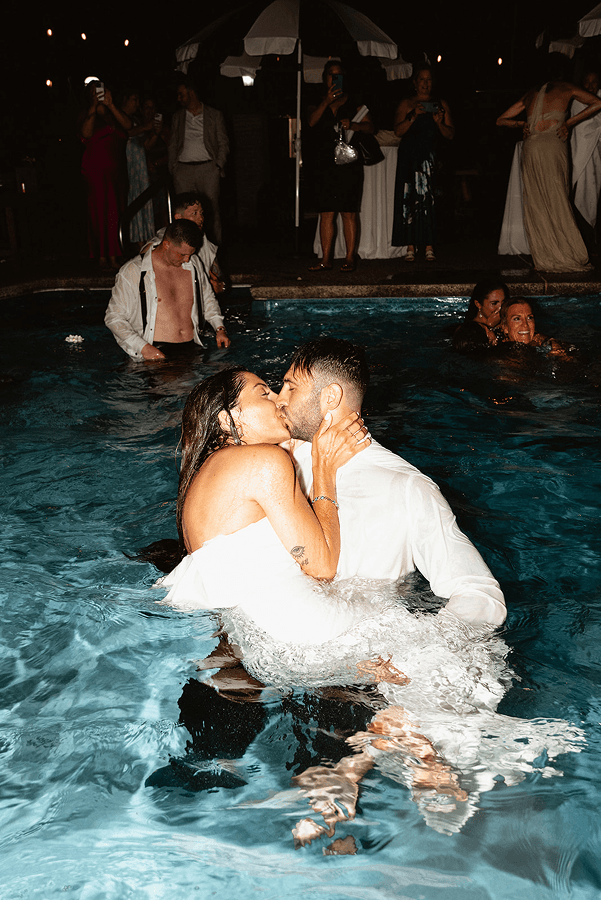
Image credit: @sammisheaphotography
Delivery Speed Is a Reputation Multiplier
Your ability to deliver galleries quickly is directly tied to how many reviews you collect and how fast referrals happen.
If a couple posts wedding photos six weeks after the date, their friends are asking "where did you get married?" but the photographer's name has already faded.
Posted within two weeks, the photographer is still a fresh, excited recommendation.
The same applies to reviews. The couple most likely to write a detailed Google review is the one who just received their gallery, and the language in those reviews matters as much as the star rating. "She made us feel completely at ease" converts a future anxious client. "Great photographer, 10/10" doesn't.
The bottleneck is culling, not editing
Reviewing three thousand images before you open Lightroom can consume an entire day.
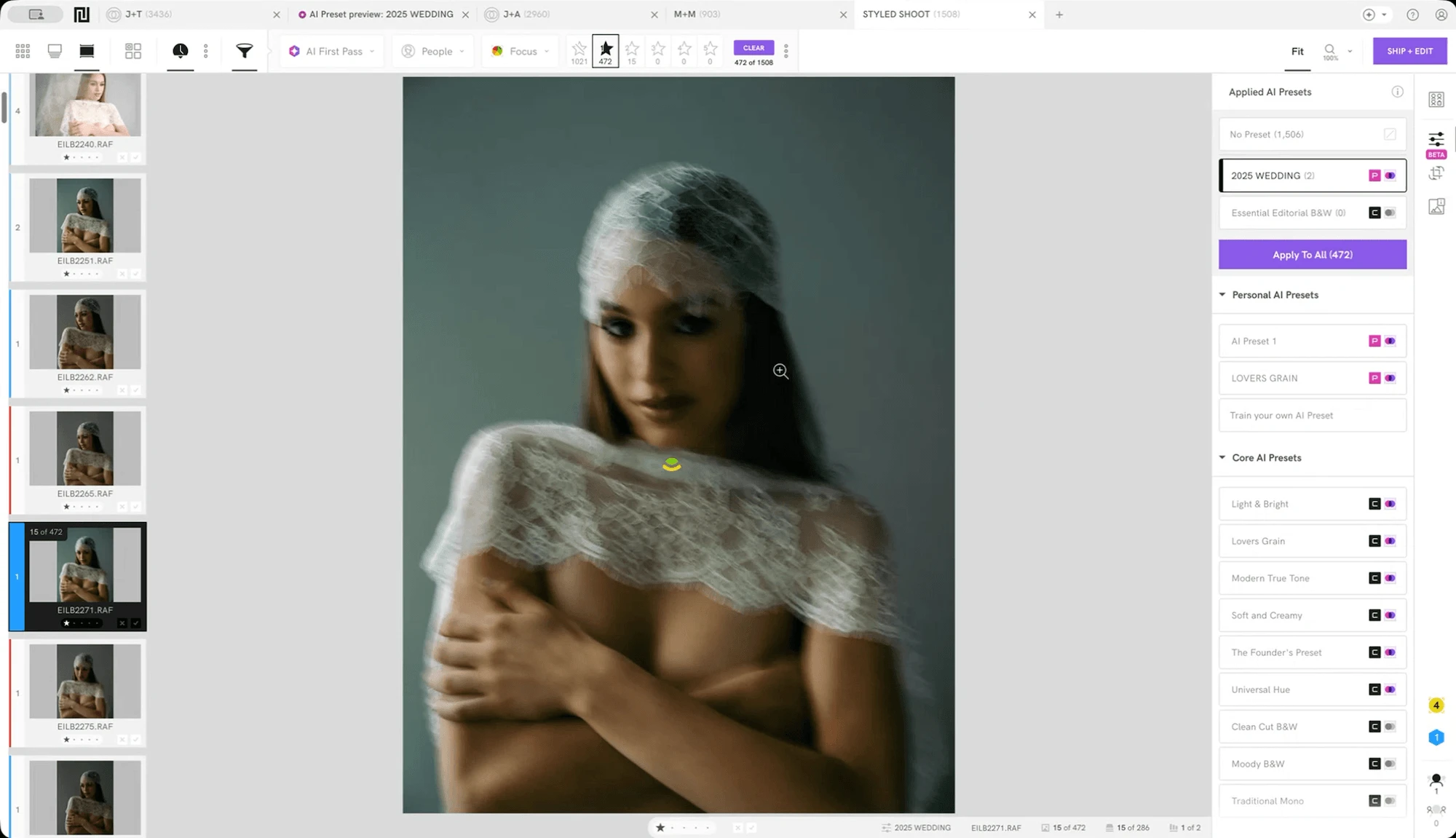
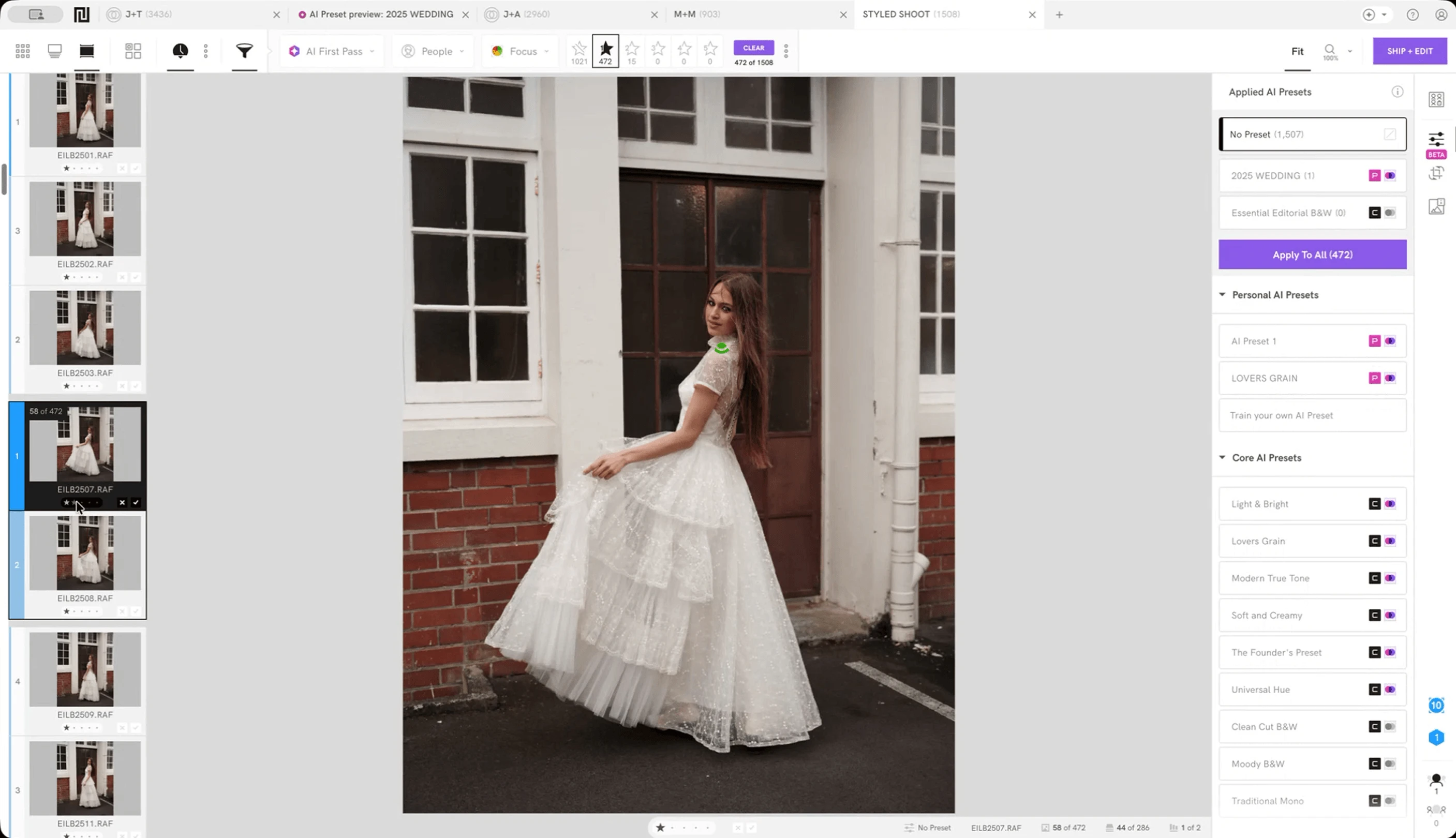
Narrative compresses this step. AI assessments for focus, eye state, and expression sort your shoot before you start reviewing, so you're not going through every single shot manually.
For a photographer shooting 15-18 weddings a year while building a business, that's the difference between delivering in ten days and delivering in three.
Fast delivery builds reviews. Reviews build referrals. Referrals are how niche reputation compounds.
The 4-hour wedding workflow guide shows what a faster end-to-end workflow looks like in practice.
Quick Reference
What to do | Why it works |
Define a clear niche | Makes it easy for clients to self-select and for referrals to happen |
Edit your portfolio to 40-60 images | Conviction beats volume |
Show a full gallery sample | Builds trust that quality is consistent, not cherry-picked |
Optimize your bio for your niche | Helps the right clients find and recognize you instantly |
Build venue and planner relationships | Produces pre-qualified referrals from people who already know your work |
Publish your pricing | Filters inquiries so you're talking to the right people |
Respond to inquiries fast and specifically | First impression sets the bar competitors have to clear |
Deliver galleries quickly | Drives reviews while excitement is high |
Niche marketing isn't about saying no to clients. It's about saying something specific enough that the right ones say yes to you.
Master the positioning, and your inquiries start to feel different — less friction, better fit, fewer awkward budget conversations.
And once the bookings are right, the next bottleneck is getting work out the door fast enough to turn clients into advocates.
Try Narrative free and cull a full wedding in a fraction of the time. No credit card required.
Photographer Relationship Manager, Narrative