In Focus: Etim Essang on Building the Portal Series

CREW The Narrative Newsletter
Tuesday, July 7, 2026
Etim Essang is a fashion and editorial photographer and creative director who treats every shoot like a movie, subject included.
"Each shot is like a frame from a movie, where the subject is always the hero of their own story," he says. That instinct is what shaped Portal, a recent personal project built around a single door standing in the middle of an empty field.
He's also one of the newer names in Narrative's ambassador community, having picked up the tool only a month before this interview. What follows is a photographer still early in both his career and his workflow, and refreshingly honest about both.
From a borrowed camera to a full-time career
Etim's path into photography started almost by accident. A friend he met in 2017 was shooting at the time, using a camera he'd bought that same year. When his friend quit photography a couple of years later, he passed that same camera along to Etim.
"Initially, I wasn't sure, I kept it as a decorative piece," Etim says. "But one day, I took it out, shot something, and from then on, I never stopped."
He went professional once the signs were hard to ignore. "I decided to go professional because I realized I had a unique talent, people saw my work, and I filled a gap in the market back home," he says. "Now, photography is my full-time career. It's both my passion and my business, allowing me to help brands tell their stories in a way that's truly authentic."

A style built like a movie
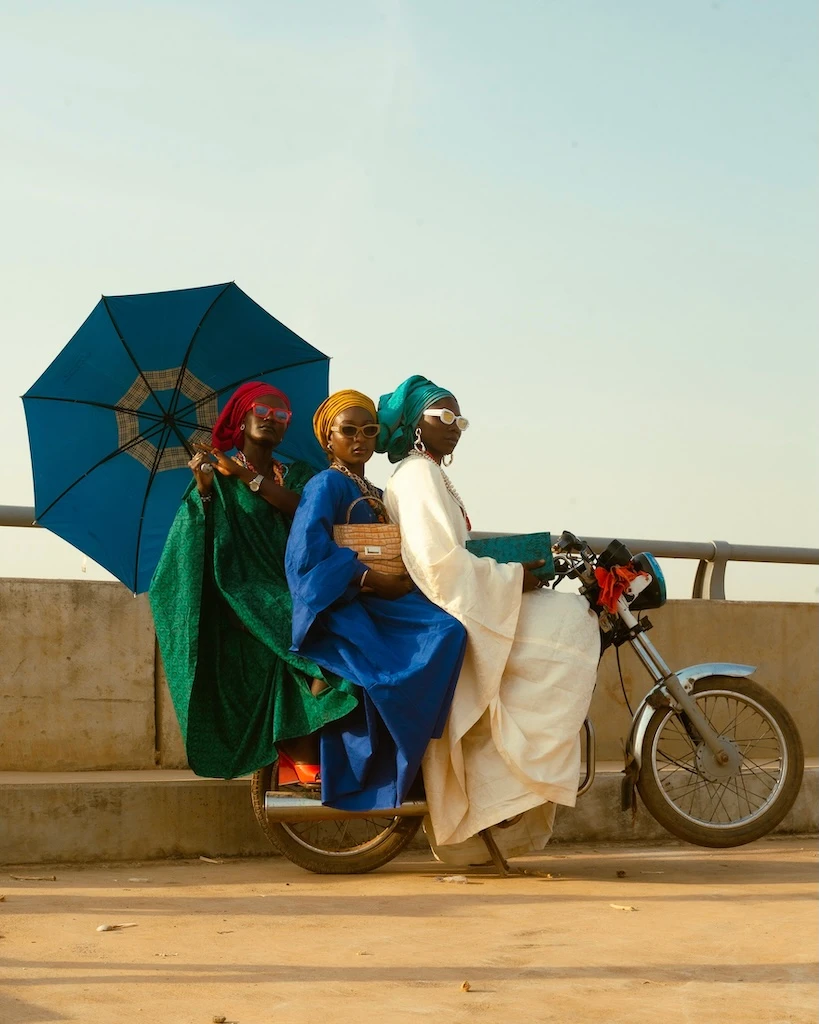
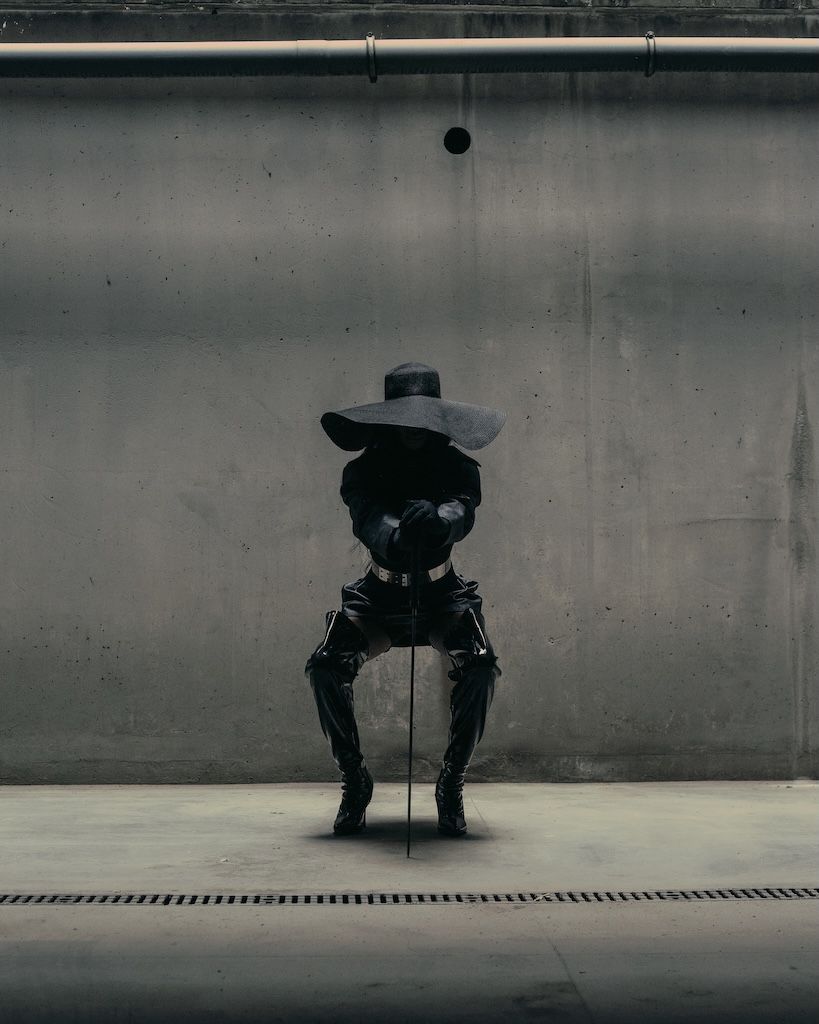
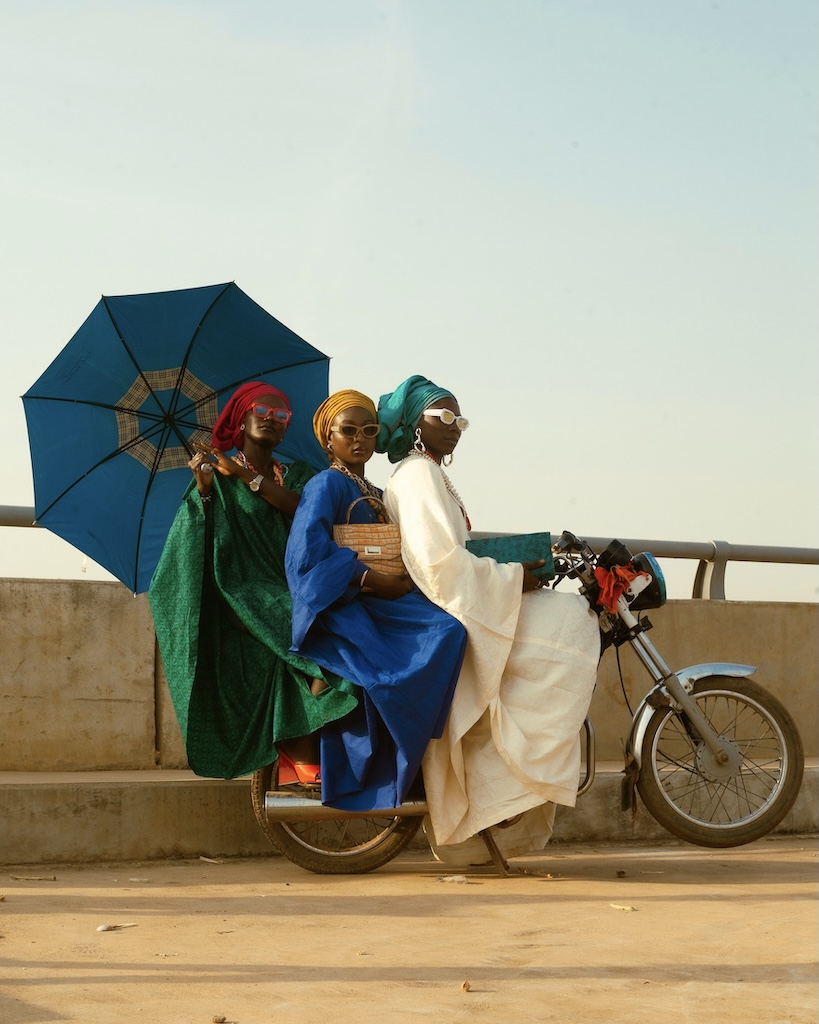
Ask Etim to describe his work and the language turns cinematic fast. "I would describe my style as cinematic and empowering, each shot is like a frame from a movie, where the subject is always the hero of their own story," he says. "I focus on wide, abstract compositions, using light and shadow as sculptural tools."
The goal, he says, is to make every subject feel central, regardless of who they are or what they represent. "My work is edgy, artistic, and always keeps the focus on the narrative within the image."
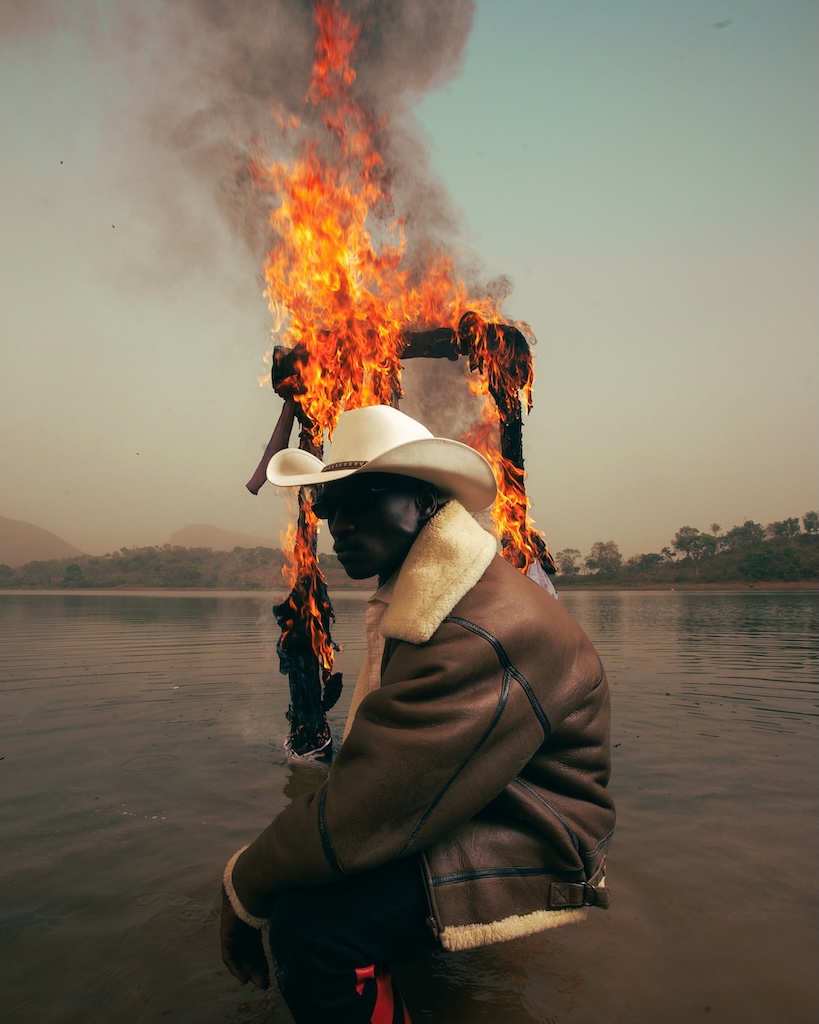
Portal: a door in an empty field
The project Etim is most proud of right now is called Portal, inspired by a close friend living with schizophrenia. He researched the condition before shooting a single frame.
"The concept was simple but striking: I placed a door and frame in the middle of a vast, open grass field," he says. "The door symbolizes escape, walking into another world, but in this vast emptiness, you open the door, and you're still in the same place."
The image works as a visual metaphor for how people with schizophrenia can feel trapped, believing they've moved somewhere else when in reality they haven't. "I approached it by balancing minimalism with deep symbolism, letting the door be the anchor for the entire narrative," he says.

The shot that surprised him: trading strobes for natural light
Etim usually builds his signature look around strobes and flashlights. On this shoot, he stepped away from both.
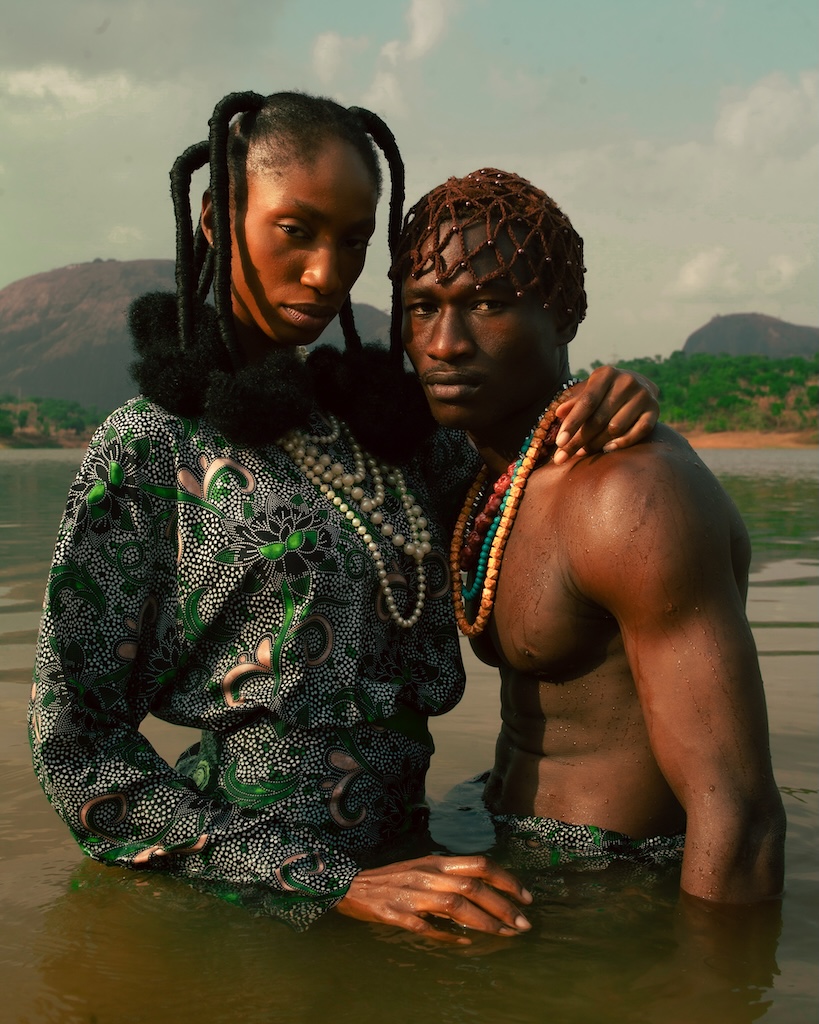
"I didn't expect to love it as much as I did, but that freedom to move, change angles, and let the light shape the mood gave the images a breath I hadn't expected," he says. "It was really special."
Curation as refinement, from first frame to final edit
For Etim, curation isn't a single step at the end of a shoot. It's the process that runs through the entire project.
"For me, curation is everything, it's where I take the raw concepts and fine-tune them into their purest form," he says. "Even as I shoot, I'm intentional, every angle, every experimental frame, is a step toward that vision. When I curate, it's that process of trial, error, and refinement, until I've distilled the best, most impactful images that truly express the vision."
That same intentionality shapes how he wants to be trusted by clients. "What I hope is that clients take the time to understand who they're hiring," he says, comparing his voice to a recognizable brand. "If you hire me, I want you to trust in that vision, because the best results come when we stay true to the style and approach you chose me for in the first place."
His workflow: from concept to camera to color grade
Etim's process starts long before he picks up a camera. "My workflow starts with idea generation, I write down every concept, no matter how small or unconventional, because I treat each project like a movie, like a blockbuster," he says. He casts models based on personality and story fit, sometimes collaborates with fashion designers on wardrobe, then assembles the team and shoots.
Because so much of the color grading and style is visualized before the shoot even happens, the editing stage tends to move quickly. "I often have a clear sense of the final look before the shoot, so while adjustments are made, the outcome is usually very close to my original vision," he says.
A single session runs him 700 to 1,000 images, shot largely in burst mode, narrowed down to around 50 final selects. Post-production happens in Lightroom Classic, where he handles color grading and final touches.
Where Narrative fits in his workflow
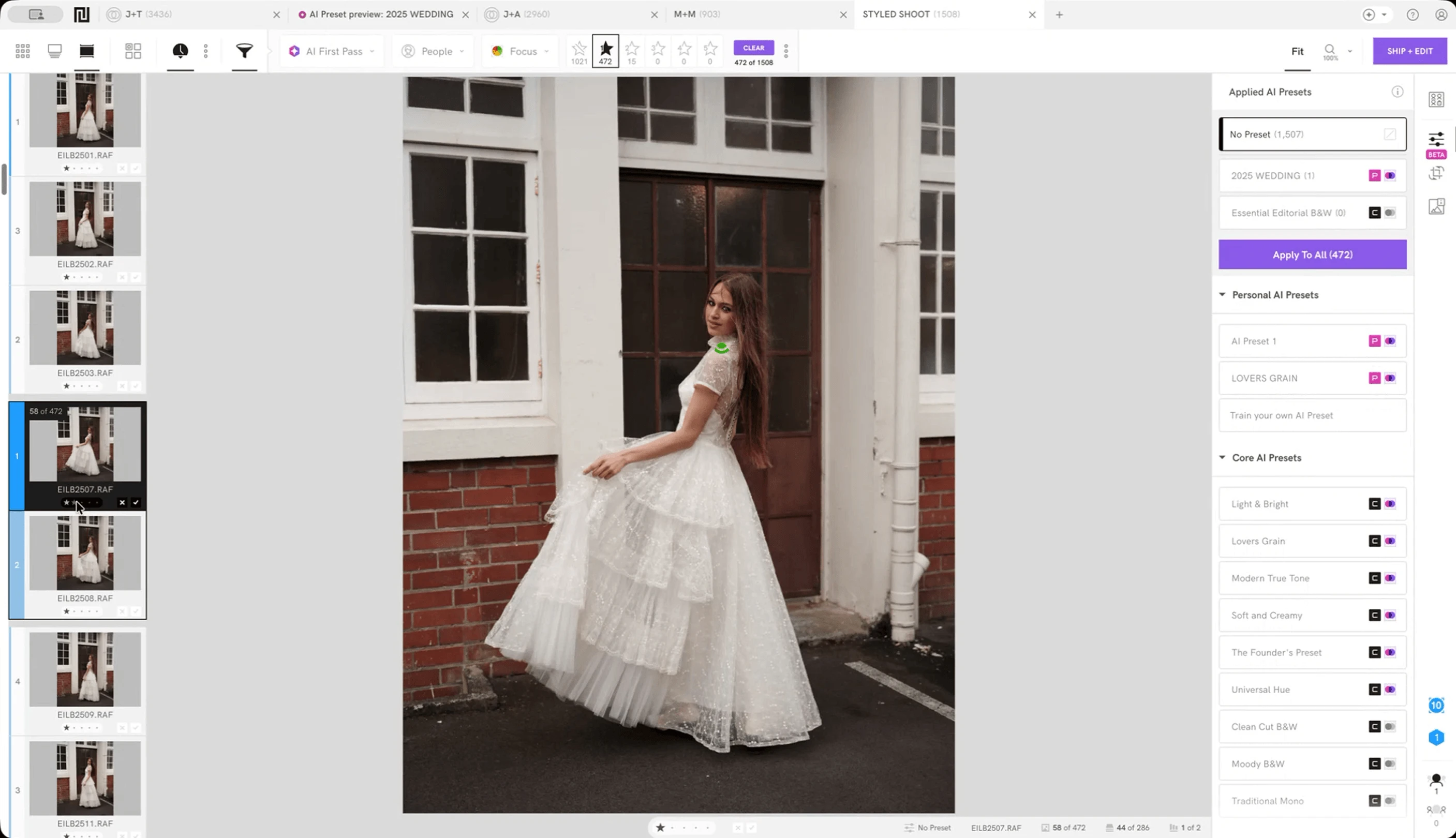
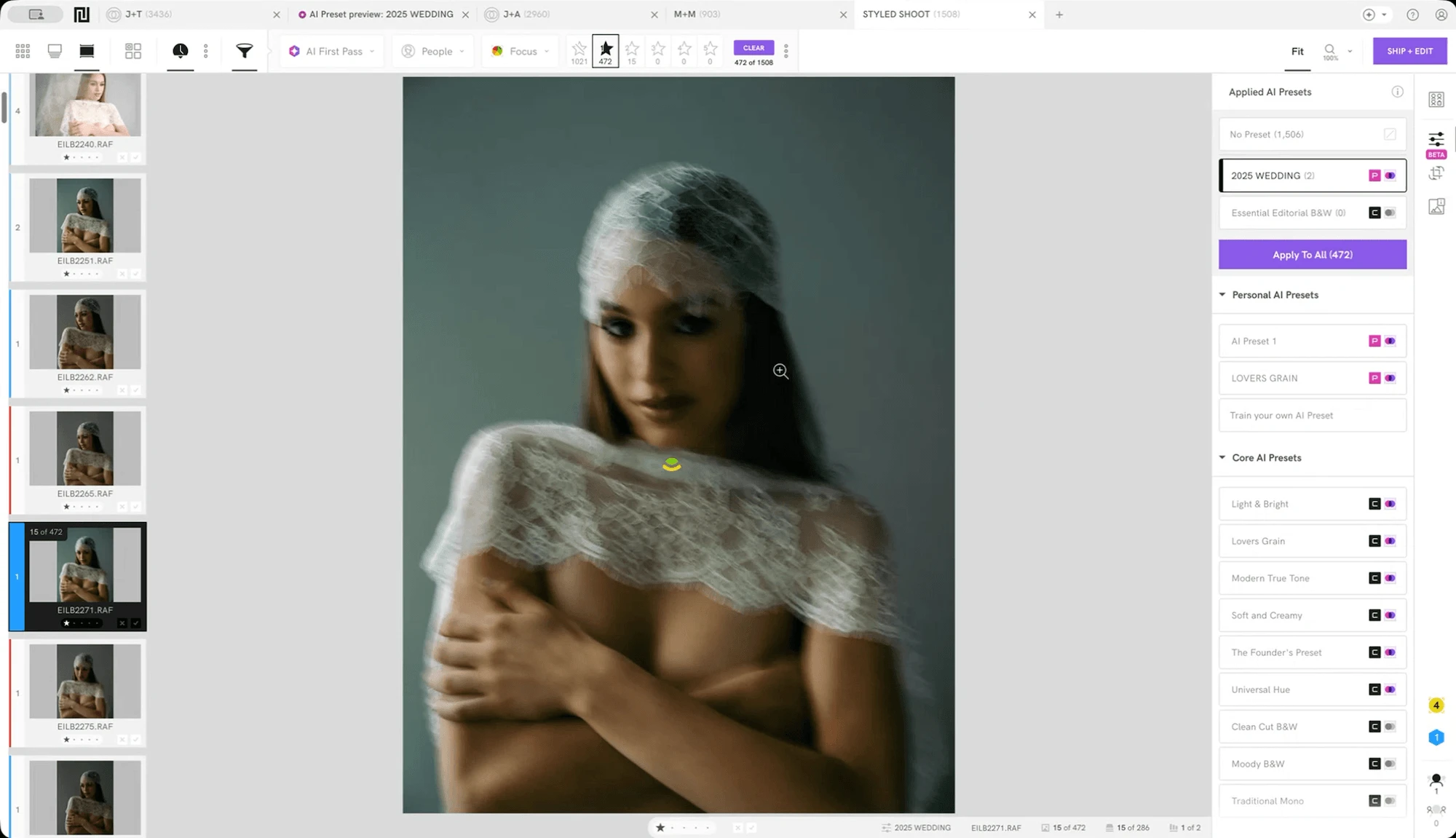
Etim says the culling speed has really stood out. "Once I got into it, it sped up my entire workflow," he says. "I can group shots by location and time, and it's just so intuitive, I know exactly where each shot is, and it saves me so much time."
His early favorite feature is the export. "There's this option that automatically opens Lightroom with all the chosen images, no extra steps," he says. "That's a total game changer for speeding up my workflow."
He also points to what makes the tool different from the editing software he already knows: "It's built specifically for culling and selection, which is rare since most tools focus on editing... if you already know Photoshop or Lightroom, the interface is familiar, same kind of layout and interaction, so it fits really well into a photographer's existing workflow."
His advice to photographers still hesitant about AI tools comes from the same place.
"AI isn't something new, it's just evolving," he says. "Think about something like a calculator, it's a tool that makes decisions for you, but it's still you who decides how to use it. As long as you have the creative control, AI is just another way to streamline and focus your craft."
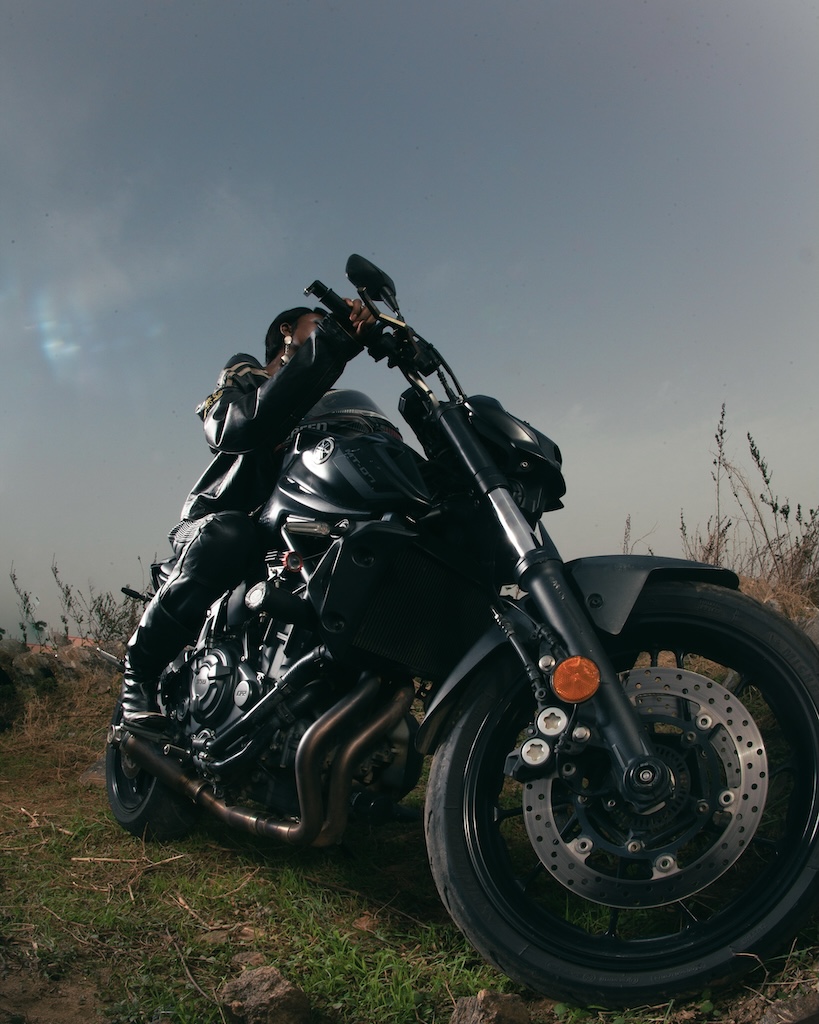
Etim Essang is a fashion and editorial photographer and creative director. His work is defined by cinematic, narrative-driven imagery and wide, abstract compositions. Find him on Instagram @etimshooterx or at etimessang.mypixieset.com.
💜 Ready to cull with more clarity and less fatigue? Try Narrative free.
The Narrative Newsletter