Model and Property Release Forms & When You Need One (Free Template)

Elli Kim Content
Wednesday, September 9, 2026
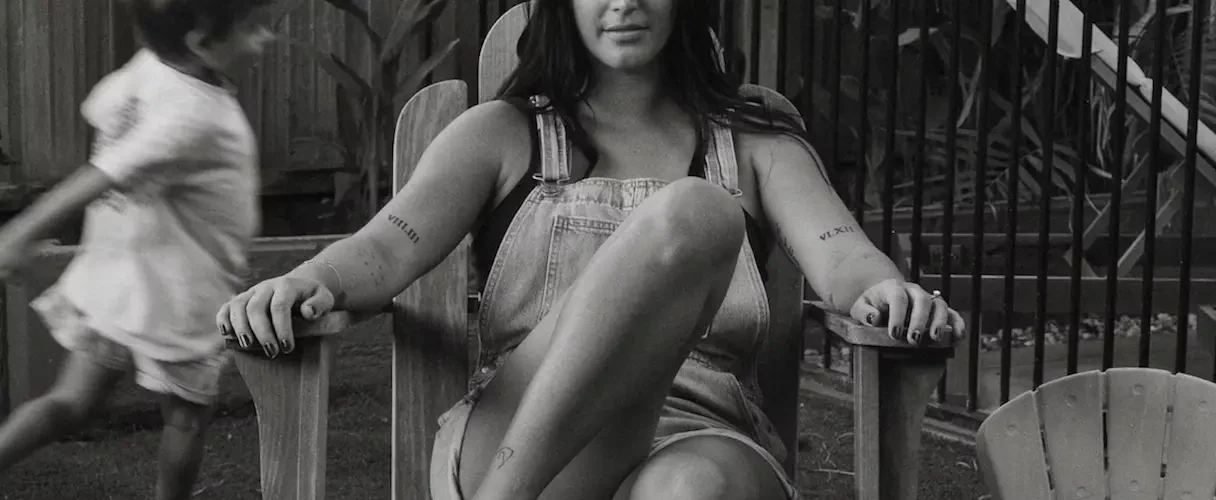
You're two weeks out from a family session, going over the shot list with a client, when she asks something almost every photographer has heard in one form or another: "So once you edit these, can I post them wherever I want? And can you post them too?" She's not asking about copyright. She's not asking about your contract. She's asking, without knowing the term for it, whether either of you needs a release, and what happens to the photos once the session ends.
Do you need a model release for every shoot? No. You need one when the photos will be used commercially, to sell a product, promote a business, or run in an advertisement, because that's when a subject's privacy and publicity rights are legally at stake. For personal, editorial, or portfolio use, a release is not usually required, though many photographers get one anyway because it makes ownership and usage rights clear on paper. Minors need a parent or legal guardian's signature. Property, particularly distinctive or recognizable private interiors and buildings, often needs its own release, separate from anyone's model release.
This article explains how release forms work in plain language, using the same framework working photographers and photo attorneys use. It is general education, not legal advice. If you're dealing with an actual dispute or a high-stakes commercial shoot, a local attorney who handles photography or media law is the right call.
In This Article
The short answer: it depends on the use, not the shoot
When you actually need a model release
When you probably don't, but might still want one
Photographing minors: who has to sign
Property releases: when the location needs consent too
What happens if you don't have one
Free model and property release templates
Building releases into your workflow
The short answer: it depends on the use, not the shoot
Here's the distinction that trips up most photographers: a release has almost nothing to do with who owns the photo. You own the copyright to every image you create the moment you press the shutter, full stop (see our guide to how photography copyright actually works for the ownership side of this). A release is a different, separate thing: written permission from the person in the photo, or the owner of the property in it, to use their likeness or their space in a specific way.
According to ASMP Colorado's release tutorial, a release exists to protect the photographer from claims like invasion of privacy, and it applies "any time that your photos contain recognizable images of people, unless you are certain that you will never want to use them for anything other than editorial purposes." The line that actually matters isn't wedding versus commercial shoot or portrait versus product shoot. It's whether the image will ever be used to sell something, promote something, or run as an advertisement, versus being used to document, illustrate, or simply display what happened.
When you actually need a model release
You need a signed release any time a recognizable person's image will be used for what the law calls a "commercial purpose," meaning to advertise or promote a product, service, brand, or cause. That covers more situations than most photographers assume:
Using a client photo in your own marketing. Posting a wedding or family session to your Instagram or portfolio to attract new bookings is common practice, but it's technically a commercial use of your client's likeness, which is why most photography contracts include a portfolio/marketing usage clause covering it, separate from any release.
Stock and licensing. If you plan to license or sell an image through a stock platform, expect the platform to require a release before it will accept a recognizable person in the frame, even for uses that a strict legal reading might not otherwise require one for.
Brand and advertising work. Any shoot for a company, product launch, or campaign needs releases from everyone identifiable in the final images before that campaign runs.
Attorney Kathryn Goldman of Creative Law Center puts the commercial test simply: a release is evidence that "the subject consented to being photographed for the purpose of having her image" used the way it ends up being used. If there's any chance the photo becomes an ad, a product listing, or promotional material, get the release at the time of the shoot, when it's easiest to ask.
When you probably don't, but might still want one
Editorial and newsworthy use is the main exception. A photo used to illustrate a news story, document an event, or provide context for an article generally does not require a release, because courts have consistently treated reporting on real events as more protected than an individual's right to be left alone. Personal, non-commercial use, family portraits printed and framed at home, a wedding gallery delivered to the couple, generally falls into the same category.
Two things worth knowing if you're leaning on this exception. First, more editorial clients and publications are now requiring releases anyway, as a matter of their own contract terms, regardless of what the law technically demands, so check the agreement before assuming you're covered. Second, "editorial" stops applying the moment the same image gets repurposed for marketing. A photo that ran in a magazine story is fine without a release; the same photo used on that magazine's ad for subscriptions is not.
For your own client work, the practical move is to build release language into your client contract up front rather than treating it as a separate conversation. That way you're not tracking down a signature after the fact when you decide, six months later, that a session photo would work well in your marketing.
Photographing minors: who has to sign
If the subject is under 18, a parent or legal guardian has to sign the release, not the minor. This applies whenever the use would otherwise require a release from an adult, meaning commercial or promotional use of a recognizable child's image. It's a common blind spot for family and newborn photographers specifically, since so much of the work involves children, and it's worth building the guardian signature line into your standard paperwork rather than improvising it session by session.
A practical habit that avoids awkward follow-up: get the signature from whichever parent or guardian is present at the session, and where both parents are involved in decisions about the child, note that in your intake process. It won't come up often, but when it does, it tends to come up at the worst possible time, right when you want to use a favorite session photo for your marketing a year later.
Property releases: when the location needs consent too
A property release is a separate document from a model release. It says the owner of a building, home, or other private property has consented to you photographing and using images of that property. Public property, government buildings, public parks and streets, generally doesn't require one, though photographing some public buildings can raise its own access or security restrictions unrelated to releases.
Private property is where it gets specific. According to ASMP Colorado, a property release becomes necessary for private property "particularly of objects that are closely identified with specific people." In practice, that means:
Architectural and interior photography of a distinctive home, office, or venue, especially where the design itself, not just what's happening inside it, is recognizable and central to the image, generally needs the owner's consent if the images will be used commercially.
A shoot inside someone's home, even a portrait or family session, usually doesn't need a property release for personal use, but does if those interior shots end up in your marketing, on your website as a portfolio piece, or in an ad for a home-staging or design brand.
Generic or unidentifiable interiors, a plain wall, a neutral hallway, carry essentially no property-release risk, since there's nothing about the space that ties it to a specific, identifiable owner.
The safest default, and the one property attorneys and industry groups both land on, is: when the property is distinctive enough that a viewer could identify whose it is, and the use isn't purely personal, get a release.
What happens if you don't have one
Most sessions end without incident: everyone gets the photos, everyone's happy, no one ever asks about a release. But the risk isn't hypothetical. Under state privacy and publicity law, a subject photographed without consent and then used commercially can bring a claim for invasion of privacy, and in states that recognize a separate right of publicity (California is the most cited example), that right can persist even after the person becomes well known, potentially applying to decades-old images if they're later used commercially.
ASMP Colorado points to a case where a company was ordered to pay a $15 million jury award after using a model's image without properly documenting the paperwork, a reminder that the size of these judgments is not limited to small settlements. On the other end of the spectrum, a well-known street photography case (di Corcia v. Nussenzweig) held that a photographer's right to artistic expression protected an editorial and gallery use of a recognizable stranger's photo without a release, so the outcome genuinely depends on how the image gets used, not just whether it was taken.
The pattern across these cases: personal and editorial use without a release is usually fine. Commercial use without one is where photographers and their clients end up exposed, and the exposure sits with whoever uses the image commercially, which is often the photographer as much as the client.
Free model and property release templates
These cover the fields a basic release needs. For anything beyond routine client and portrait work, especially advertising, product, or brand campaigns, have an attorney review your release language before you rely on it.
Model release, standard
I, [subject's full name], grant [photographer/business name] permission to photograph me and to use, reproduce, and publish those photographs in any media, for the following purposes: [describe intended use, e.g., portfolio, website, marketing, print]. I understand I am not entitled to further compensation beyond what is stated in our agreement, and I release [photographer/business name] from any claims arising from this use.
Signature: _______________________ Date: _______________ Printed name: _______________________ Contact information: _______________________
Model release, minor
I am the parent/legal guardian of [minor's full name], a minor. I grant [photographer/business name] permission to photograph my child and to use, reproduce, and publish those photographs for the following purposes: [describe intended use]. I release [photographer/business name] from any claims arising from this use on behalf of my child and myself.
Parent/guardian signature: _______________________ Date: _______________ Printed name: _______________________ Relationship to minor: _______________________ Contact information: _______________________
Property release
I, [property owner's full name], the owner or authorized representative of the property located at [address/description], grant [photographer/business name] permission to photograph this property and to use, reproduce, and publish those photographs for the following purposes: [describe intended use]. I release [photographer/business name] from any claims arising from this use.
Signature: _______________________ Date: _______________ Printed name: _______________________ Property description: _______________________
Keep signed releases on file indefinitely and link them to the shoot they belong to. If an image ever gets licensed, published somewhere unexpected, or challenged, the release is what you'll be asked to produce.
Building releases into your workflow
Releases are one piece of the paperwork that protects a session, alongside a solid client contract that sets usage rights and payment terms, and clear communication about what's included in the final delivery so clients aren't surprised later. None of it has to slow down the shoot itself. Most photographers build the release into intake paperwork clients sign before the session even starts, so it's one less thing to chase down afterward.
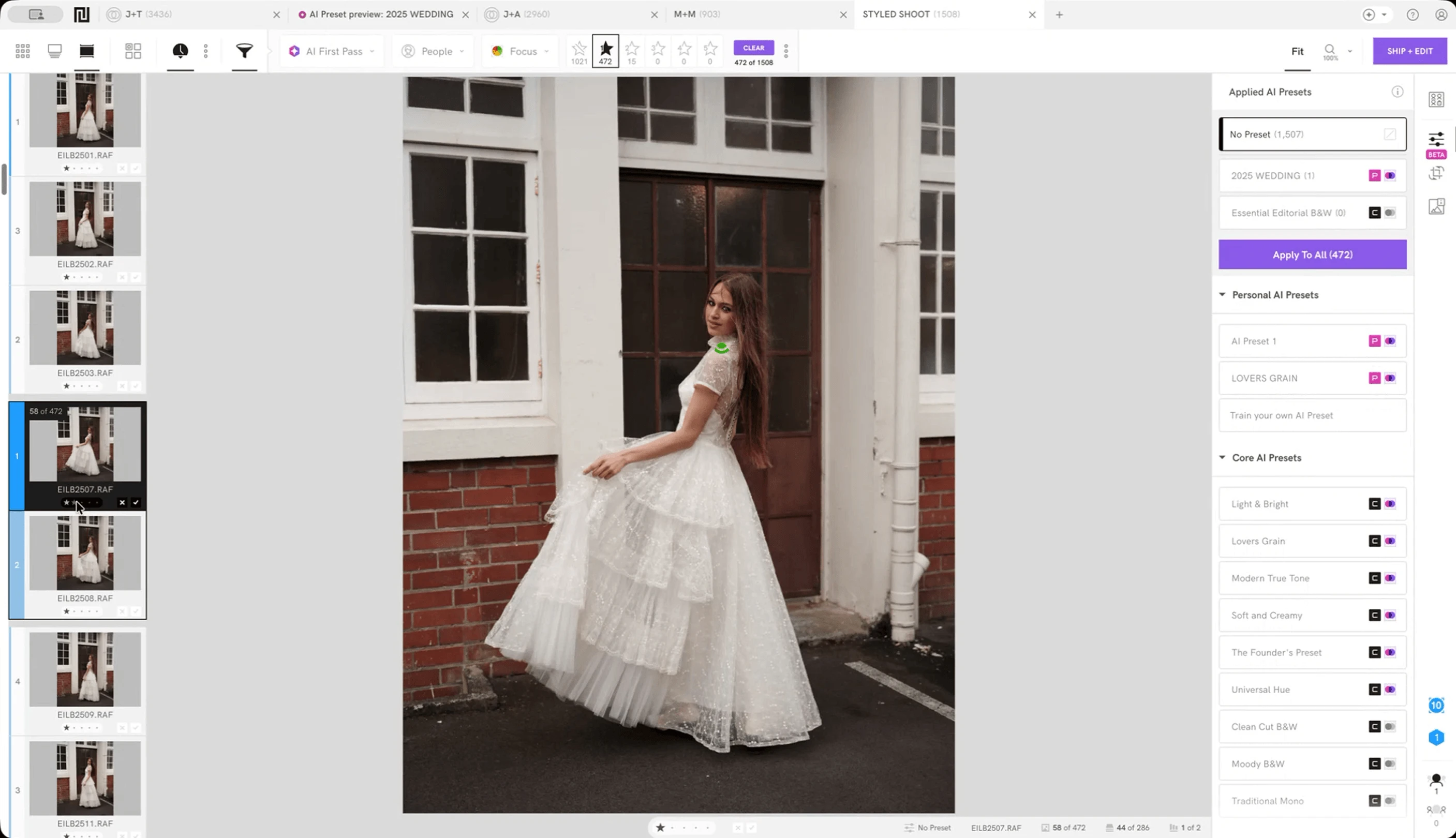
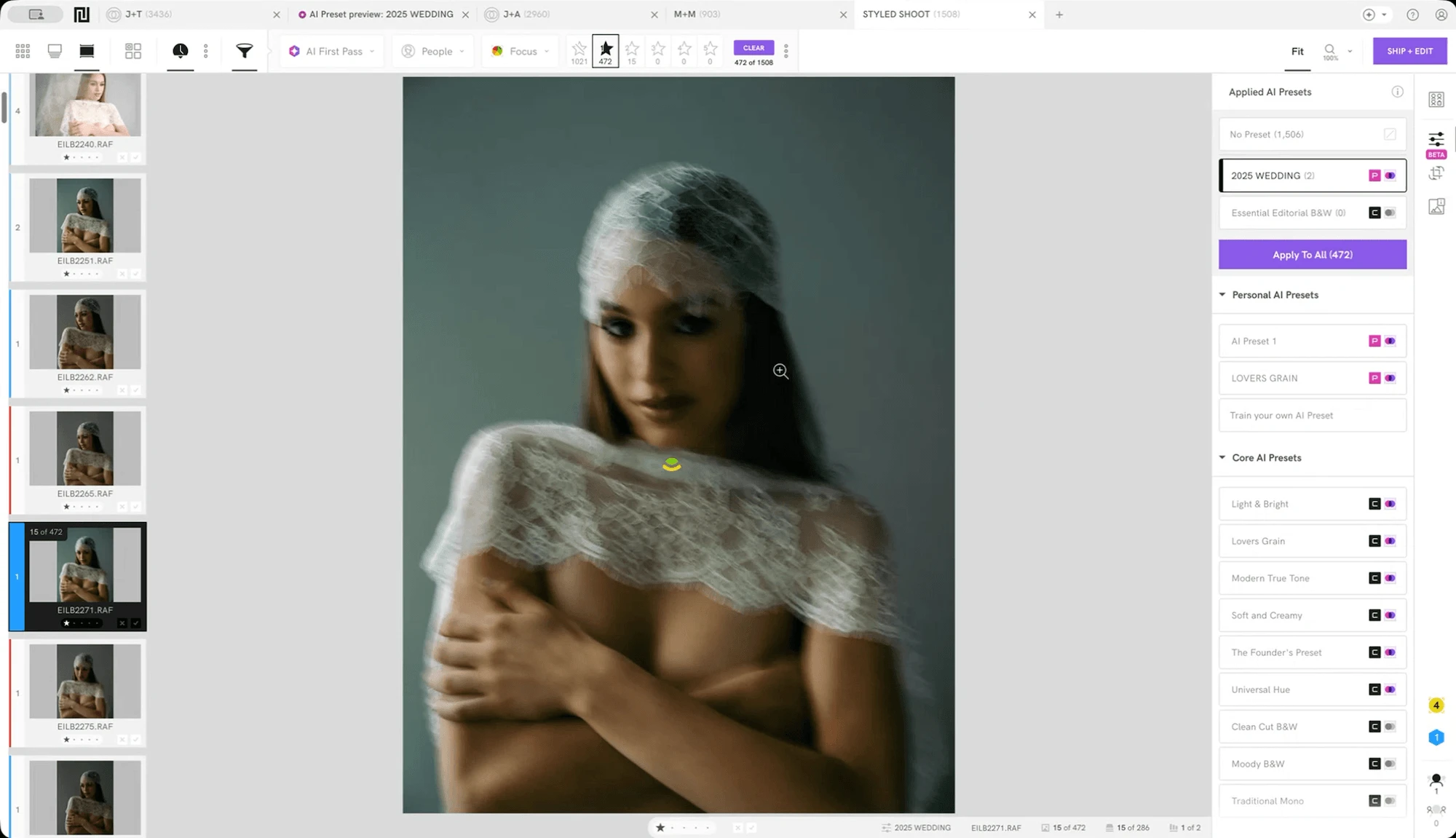
The other side of that equation is what happens after the shutter clicks: getting through a full shoot's worth of images to a delivered gallery without the backlog becoming its own liability. Narrative is built for exactly that stretch of the workflow, so the time you save on sorting through a session goes back into the parts of the job, like paperwork and client conversations, that actually need your attention.
💜 Narrative's culling and editing tools give you back the time for the creative decisions that matter. Start with free trial, no credit card required.
Content